Journey Around The Globe
ready for the next destination
What Dating is Actually Like When You’re Traveling
How Solo Trends Shape Travel Dating
Solo travel is increasing across all age groups in 2025. More British people are booking trips alone compared to previous years, as seen by a 30 percent increase in online searches for solo travel deals. Men report higher solo travel rates at 63 percent, with women at 54 percent. Solo female trips now comprise 14 percent of total female tourism activity worldwide. These numbers point to growing self-reliance and more opportunity for unplanned interaction during travel. Gen Z travelers are even more likely to travel alone. For them, solo trips and authentic, adventurous activities are often preferred.
The reasons for seeking connection while traveling are shaped by age and circumstance. Young travelers value authenticity and immersion. Data shows that 84 percent of Gen Z travelers use social media both to select travel spots and to arrange meetings, friendships, and romantic dates abroad. Many singles traveling after a breakup also report using the journey as a method of recovery. This trend is reinforced by survey results showing that 59 percent plan to travel alone in 2025, with the majority describing their solo trips as the most rewarding way to travel.
For many, solo travel and romance go hand in hand. Not necessarily in the traditional sense, but through the emotional clarity and openness that solo experiences often create. Being alone in a new place removes routine distractions and allows more meaningful engagement with others — sometimes leading to unexpected romantic connections abroad.
Casual Meetings, Real Life Connections
In 2025, there is a growing rejection of online dating among travelers. Most prefer to meet people organically instead of using apps. Feedback and new offerings from travel businesses support this shift. Some companies now arrange group outings, dinners, or activity-based events that bring travelers together without relying on a digital platform. Bookings for these types of in-person events have seen growth in 60 countries. Many solo travelers select group trips and flexible booking to increase the chance of spontaneous meetings. Travel insurers report most new purchases come from solo travelers, who now account for 70 percent of all travel insurance sales. Women in particular prefer well-reviewed, group-based housing and actively seek out secure, community-driven options.
As travel dating trends in 2025 shift away from swiping, more travelers are finding joy in unscripted moments — sharing a beach walk, joining a local food tour, or even just striking up conversation in a hostel common room.
Dating Styles You Encounter on the Road
Travel often brings people together who have little in common except their location and timing. Some find themselves drawn to short-term flings, others look for someone to share a meaningful adventure, and a few are not looking for romance at all. The range includes everything from spontaneous hookups to carefully coordinated first dates at group dinners offered by new travel apps.
Meeting someone who prefers tradition can also happen. For example, someone might find themselves dating an established man in Florence, or sharing coffee with a fellow solo traveler in Costa Rica who spends weeks in one place. No two connections look the same, and personal motivations shape outcomes.
These varied dating while traveling experiences show that romance on the road isn’t always about finding a long-term partner. Sometimes, it’s about finding a moment of connection — whether it lasts for a day, a week, or leaves a lasting memory.
What Gets in the Way?
Dating while traveling often faces obstacles. Language barriers make conversation less smooth. Local customs can surprise or confuse travelers who expect certain behaviors or norms. Arranging to meet up later is hard if both parties must travel long distances. Differences in plans or schedules can end a connection quickly.
Safety remains a major concern, especially for women, who now make up a measurable share of solo travelers. Many choose accommodations and group activities known for better safeguards and reputations. Higher travel insurance sales among solo travelers confirm the demand for both protection and independence.
Additionally, the temporary nature of travel can lead to emotional disconnects. Some travelers prefer to keep things casual, while others find themselves unexpectedly invested. Communicating expectations early — just like in any relationship — is key to avoiding disappointment.
Where Romance Happens Most
Europe remains a favored spot for singles looking to connect during travel. Cities such as Florence, Porto, and Rome report steady new hotel openings featuring shared lounges and group events for guests. Some countries have greater appeal for Gen Z, who often choose destinations like Costa Rica and Norway, partly because these places support ethical tourism or offer outdoor adventure over luxury relaxation. These trends matter because they influence the type of people travelers meet and the nature of the relationships they form.
Interestingly, the places where romantic connections abroad most often spark are not necessarily nightlife hotspots. Instead, travelers increasingly meet through shared values — eco-tourism, food exploration, wellness retreats, or cultural residencies.
Outcomes and Company Responses
Most travel-born romantic encounters do not last long. Some conversations and flings end when the trip does. However, an increasing number of people report keeping in touch after returning home. Affordable messaging services and flexible travel deals make it easier to plan follow-up visits. About 38 percent of people surveyed say they will travel alone again, either to reconnect with someone met previously or to form new bonds.
Businesses now offer group events, community-based accommodations, and dating or friendship meet-ups in response to this demand. Market leaders focus on privacy, safety, and flexibility to serve younger, independent travelers who do not use dating apps or traditional tour formats. These developments move travel dating away from old methods focused only on escape, and toward more intentional, in-person contact.
Some travel platforms now include “social compatibility” filters in their group packages, catering to travelers who want to meet others with shared values — not just shared itineraries.
Conclusion
Travel dating in 2025 is evolving — shaped by solo travel trends, Gen Z values, and a growing desire for real-world connection. While flings and fleeting moments are still common, the motivation behind them is shifting. Today’s travelers aren’t just chasing romance; they’re looking for shared energy, emotional compatibility, and authentic moments.
Whether it’s bonding over street food in Portugal, taking a sunrise hike in Bali, or chatting at a co-working café in Berlin, dating while traveling is no longer just about escape — it’s about experience. For many, it’s one of the most genuine ways to meet someone, precisely because it’s unplanned, spontaneous, and rooted in the present.
As businesses adapt and solo travel becomes mainstream, one thing is clear: romance on the road is no longer the exception — it’s becoming part of the journey.
Share this:

Everything Irie in Montego Bay, Jamaica
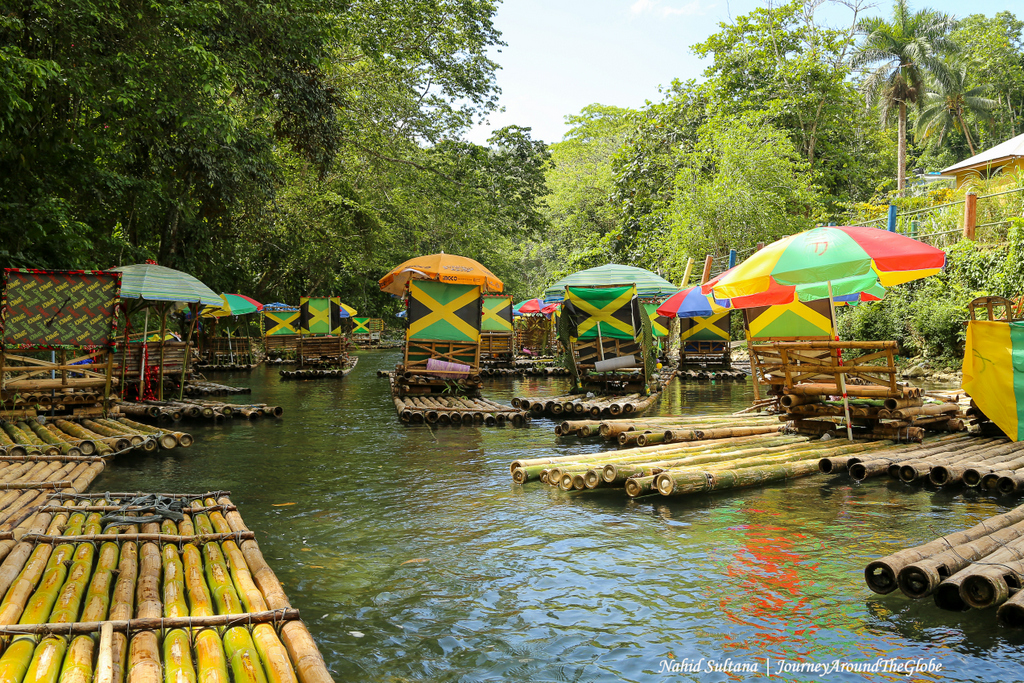
Montego Bay, Jamaica: Jamaica came to many of my conversations and thoughts last few years…like would it be a girls trip, sisters trip, or just a solo. Eventually it came down to being our first mother-daughters trip of 2025. And I am super happy that I was able to take my girls with me to this beautiful country.
The city, Montego Bay, has earned its title for being the “tourist capital of Jamaica”. It’s exactly how I pictured it would be and some more. When you put a beautiful city, delicious food, best music, and friendliest people in one place, you get Montego Bay.
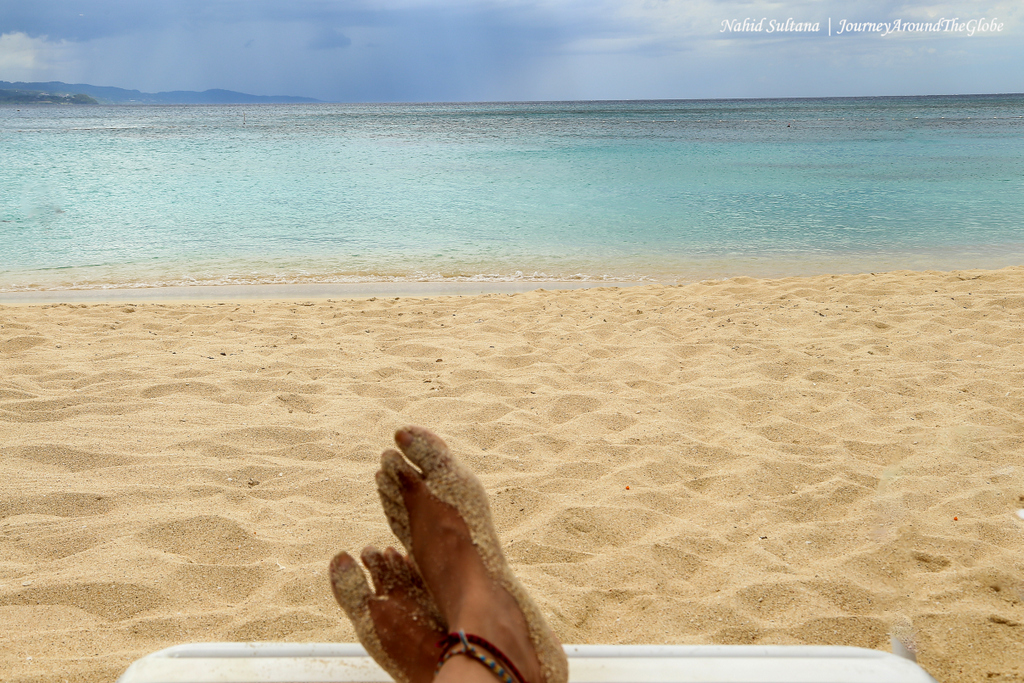
It is a major cruise ship port in the Caribbean. It can be a party city or a place with adventurous water activities or a city for travelers who like to enjoy all-inclusive resorts and sit by the beaches all day drinking or just simply enjoy the island’s culture.
We felt pretty safe in and around Montego Bay during our trip. Jamaicans are some of the friendliest people on earth. I’ve visited 70 countries so far and they are probably number one for being nice, helpful, friendly, and overall, welcoming. They came up to us just to say hello or give a compliment or start a conversation. Some of them went above and beyond to help us or accomodate us or answer our questions in the places we visited. Random people on the streets spark up conversation like I knew them for ages. There were times, we were approached by a couple people for money or to buy weed. A simple and polite “no” worked perfectly.
For transportation, we mainly used taxis or our hotel’s personal rides to get around Montego Bay. Most of the tourist spots have taxis available. But you do need to establish a price before you get inside. Also, keep in mind, they only take cash. We saw different kinds of registration plates here. Only the red plates are official taxis and be sure to check the plates before starting the ride.
We didn’t have to convert any of our USD to JMD. USD is readily accepted everywhere we went and most of the stores took credit cards without any issues. But it was 1USD=about 15K JMD.
TIME OF TRAVEL: We flew to MoBay at the end of March in 2025 during kids’ spring break. Given Jamaica is a tropical country, the weather in March was fabulous, not too hot and humid and we got no rain either. But depending on the weather, it’s a good idea to bring mosquito repellant sprays and sunscreen to MoBay.
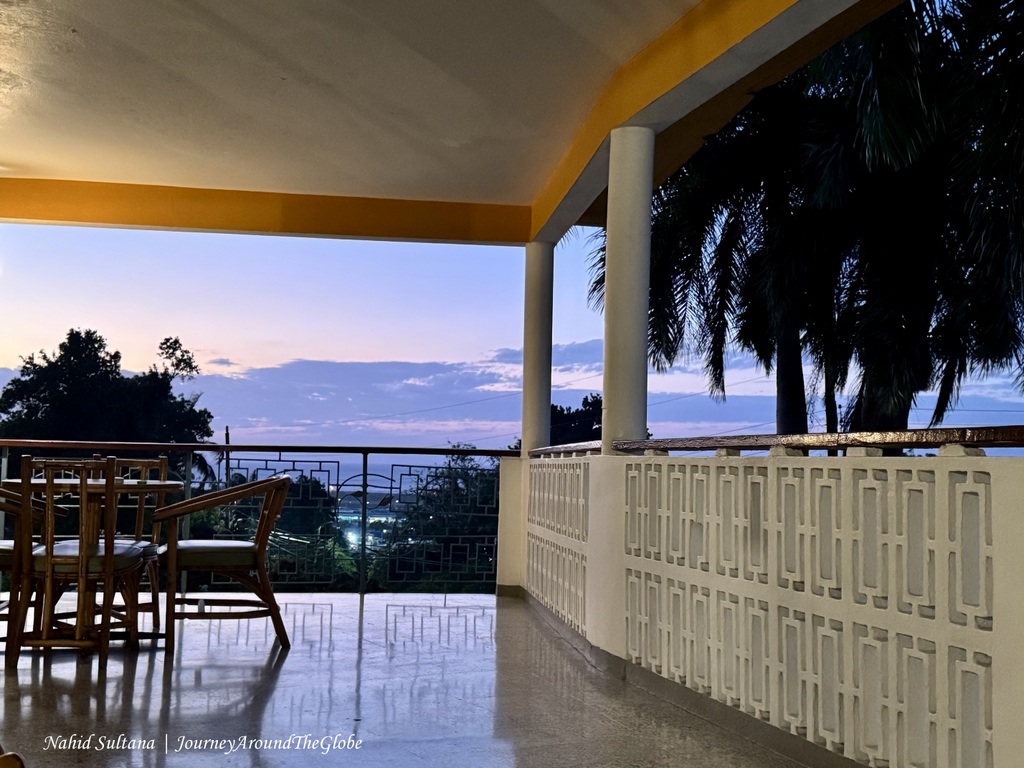
OUR HOTEL: Our hotel was called “The Blue Orchid” which was more like a bed & breakfast with only a few rooms. There was a swimming pool in the venue and it was only a 10 minutes drive from Hip Strip & Dr. Cave beach and similar distance from the airport. We also dined at our hotel a couple times. The B&B was not only a beautifully decorated homely place with a big front veranda but also had some of the most helpful and friendliest attendants. We thoroughly enjoyed our stay here.
EATING and SHOPPING: Jamaican cuisine is a combination of Caribbean flavors and local dishes. Rice and beans are more staple than anything else. But their national dish ackee and saltfish is a must-try. Ackee is a type of fruit and what I heard from the locals is that they have to be ripe perfectly, otherwise it’s actually poisonous. But this is a unique fruit and supposedly only found in Jamaica. I also saw people eating “bammy” – made from yuca, but I didn’t get a chance to try it. Other than those, Jamaican jerk chicken or jerk meat is very famous. While we weren’t really into the jerk spices, we absolutely loved Jamaican curry dishes. I even got myself a Jamaican curry spice bottle from one of the stores on Hip Strip.
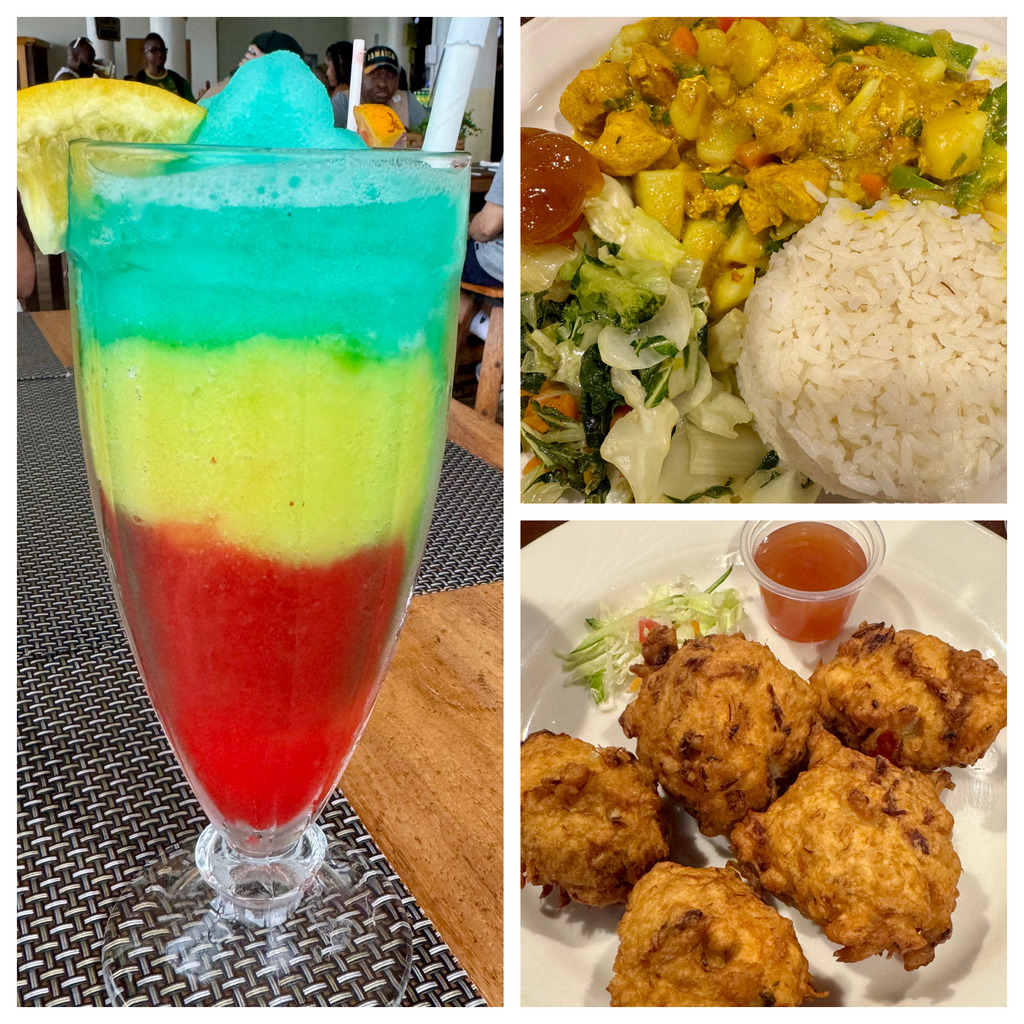
Our first dinner in MoBay was at Pelican Grill on the evening we landed. It’s a beautifully decorated restaurant towards the end of Hip Strip. The view of the ocean from the inside was an added bonus. There is a small, a bit shady kind of park in front of the restaurant where we took a little stroll after dinner. Pelican Grill’s saltfish fritters were good but more than that their shrimp and chicken curries were full of flavors and fresh. I really fell in love with the Jamaican shrimp curry after dining here.
We got Domino’s pizza delivered to our hotel one of the nights…cheap, familiar food, and fast. Our B&B, “Blue Orchid” had some food options too where we had 2 meals…chicken wings and tuna sandwiches were great. But their best item on the menu was stuffed cucumber with chicken…we loved it so much that we had to reorder it.
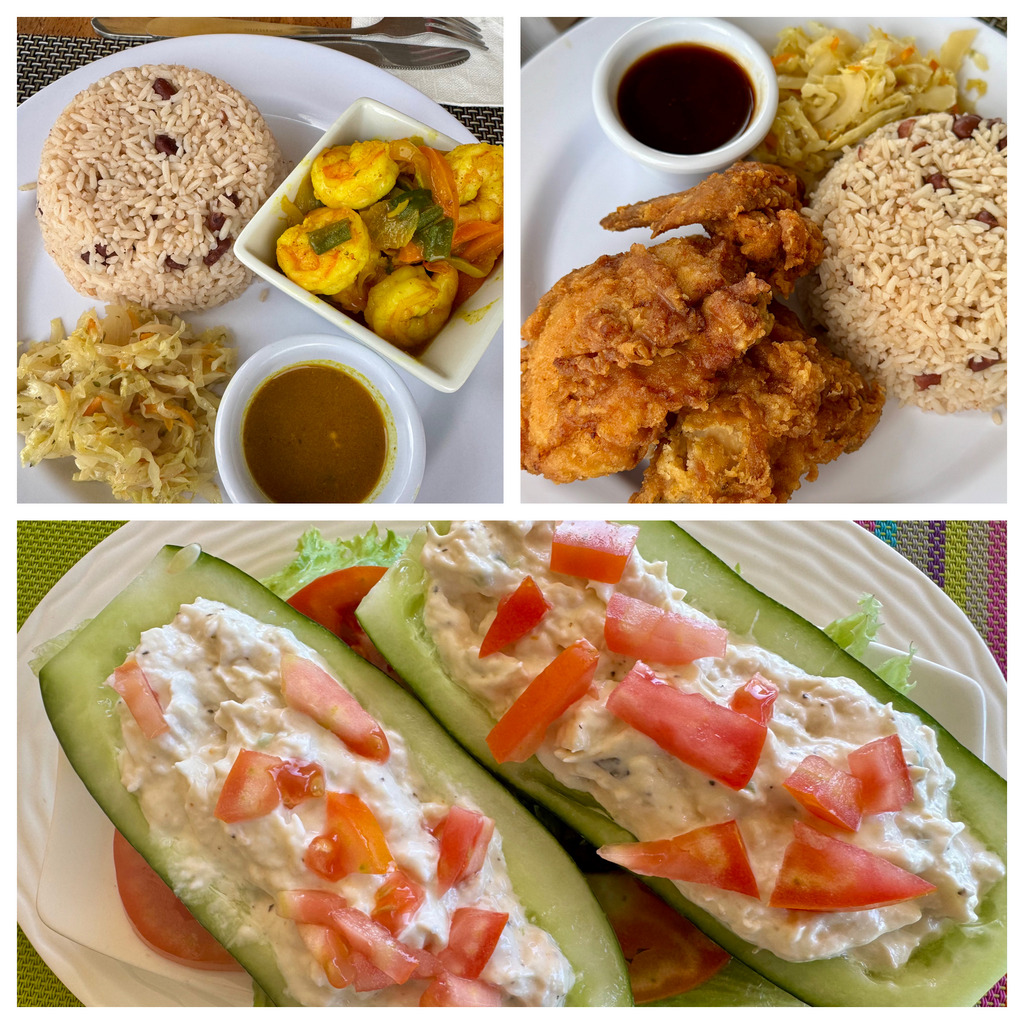
One of the coolest spots in MoBay is Peppa’s Cool Spot. We had our last dinner here. It has a beautiful outdoor sitting overlooking water from the top and afar. We went there slightly before the sunset and got to enjoy the view from our table in Peppe’s. We had curry shrimp with rice, creamy garlic conch, and calamari along with some drinks. This was recommended by our B&B and we were not disappointed. Hip Strip has some of the more famous chain restaurants like Margaritaville and Pier 1. There are also a lot of bars and lounges here.
For shopping, Jamaican coffee, spices, and art works are some things to bring back to your home. While Hip Strip is a place where you’ll find many gifts and trinkets, it’s also a tourist trap and many stores are selling the exact same items. Don’t forget to bargain to get a better deal. We mainly got our souvenirs from Hip Strip…Bob Marley t-shirts, magnets, Jamaican curry powder, decors, bracelets, coasters, and etc.
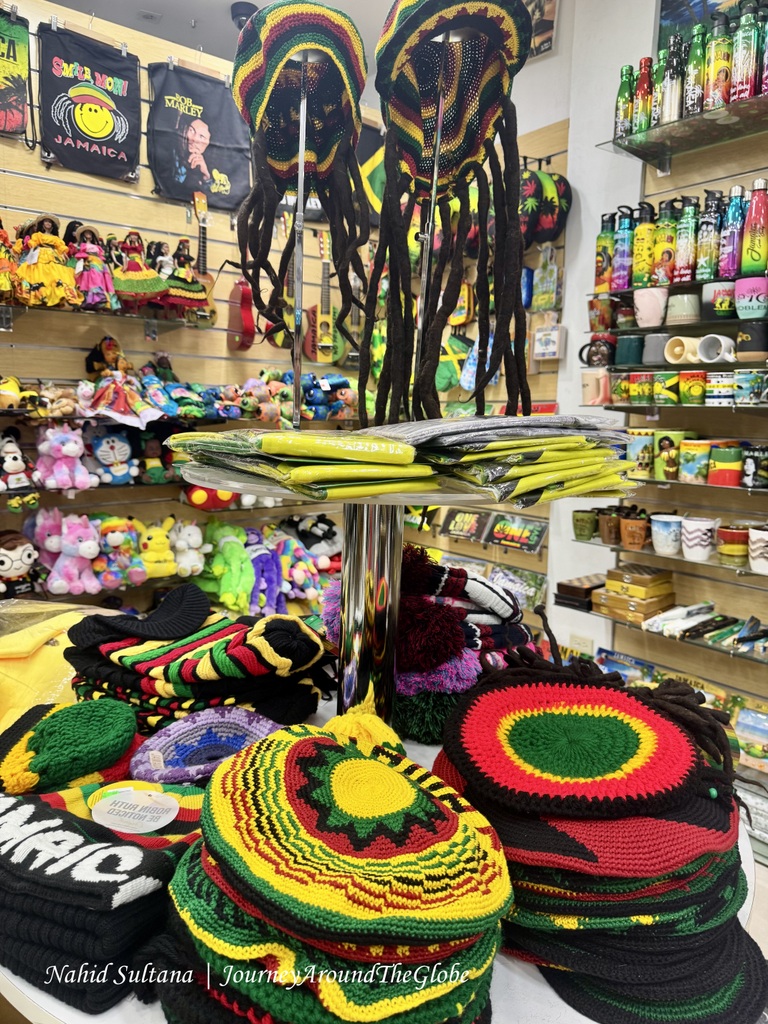
PLACES I’VE VISITED: We had 3 full days to explore Montego Bay. While it’s not enough time, we still got to taste some of the best kept secrets of this city.
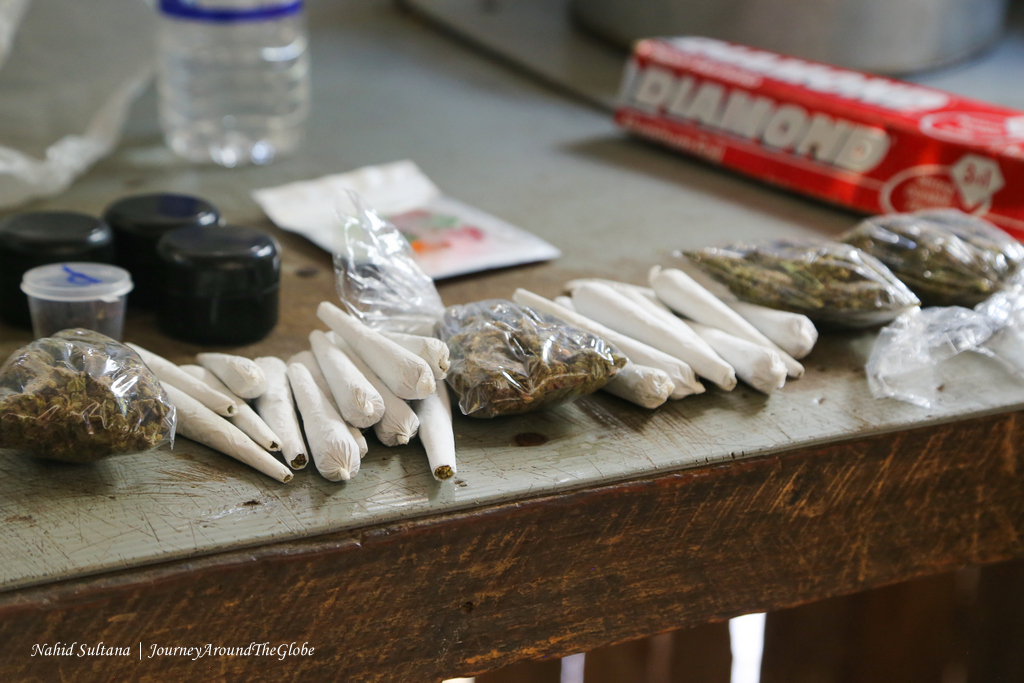
- Bob Marley Nine Mile Village Tour – I booked this guided tour online way ahead of our departing time. It was $135 per person with a small group of people. The whole trip took about 8-ish hours from hotel pick-up to drop-off.
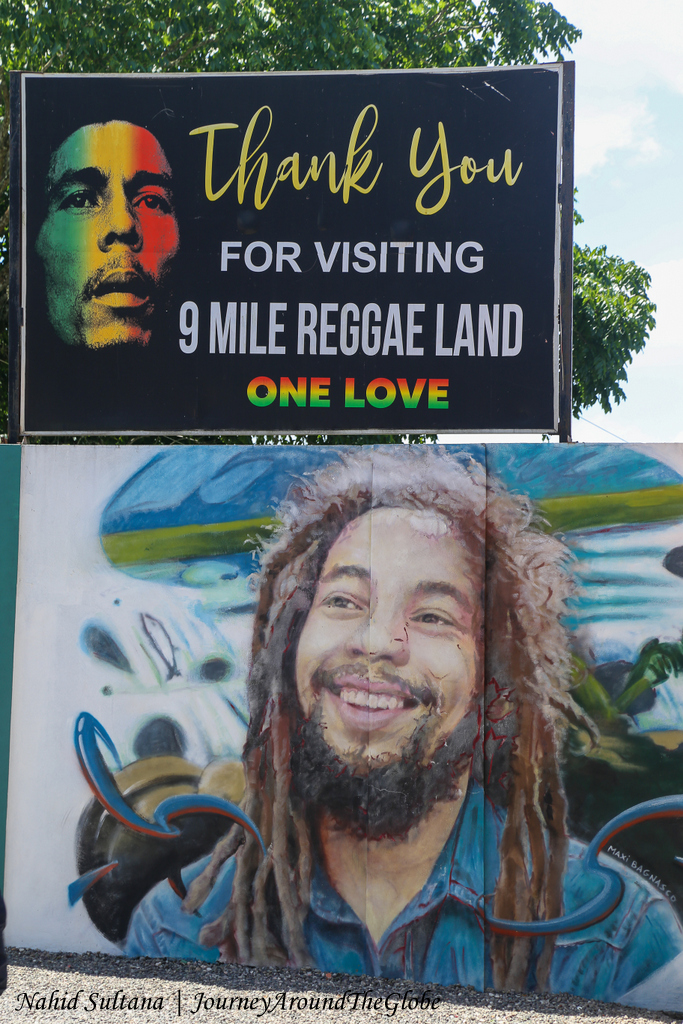
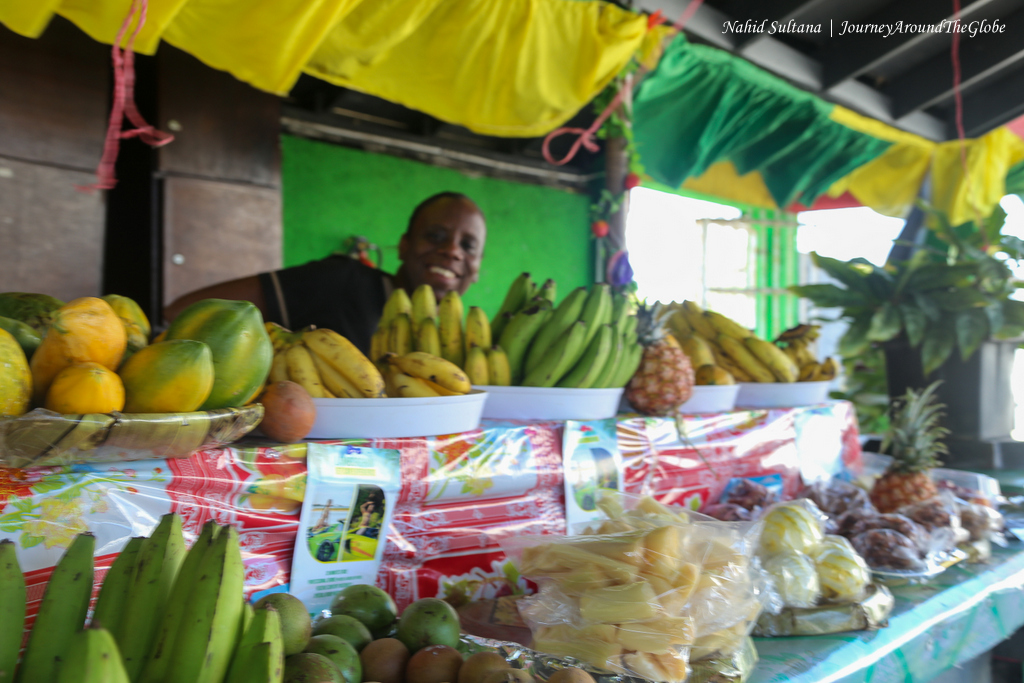
The ride for Nine Mile from Montego Bay was about 2 hours and a big portion of it was a very winding ride. We passed the famous Rose Hall. We stopped at a rest area on our way to Nine Mile with restrooms, souvenirs shops, and a fruit stand where they were selling all the local seasonal fruits. This journey up into the mountains gave us an opportunity to experience the countryside without any chaos.
Nine Mile is famous for being legendary reggae singer Bob Marley’s birth and burial place. Mt. Zion, where he used to meditate, is located in this complex as well. We got to see the bed he used to sleep in and his burial site.
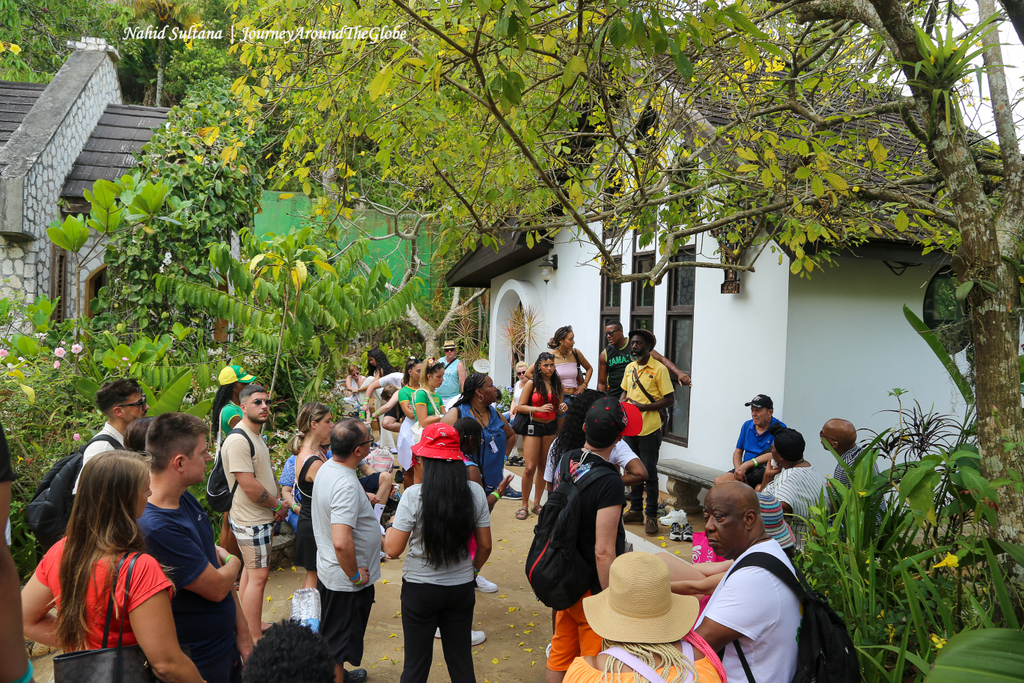
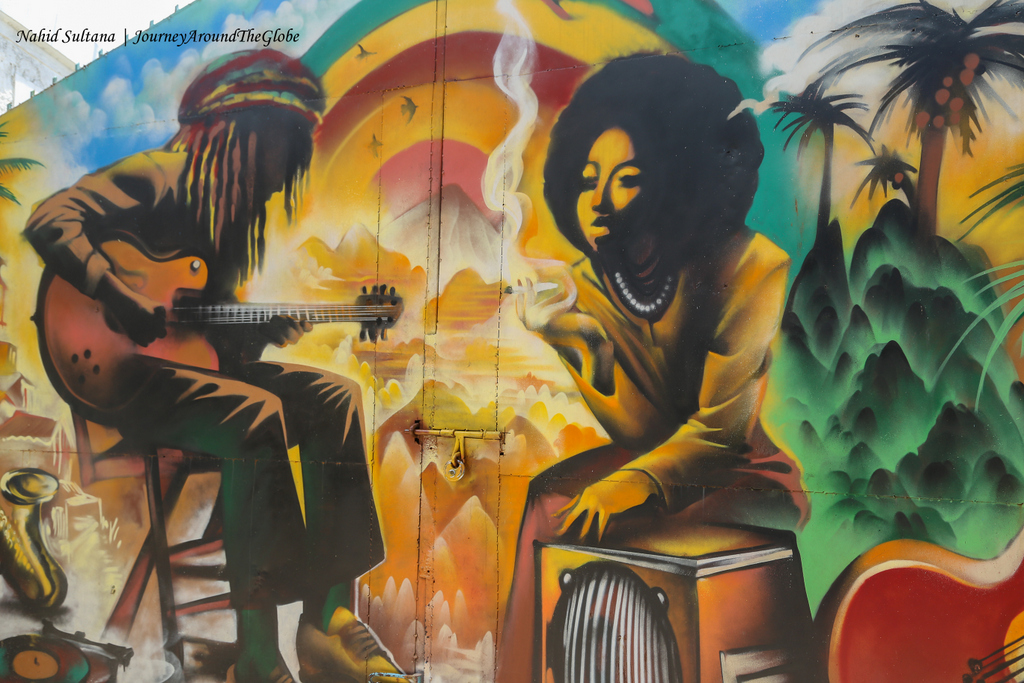
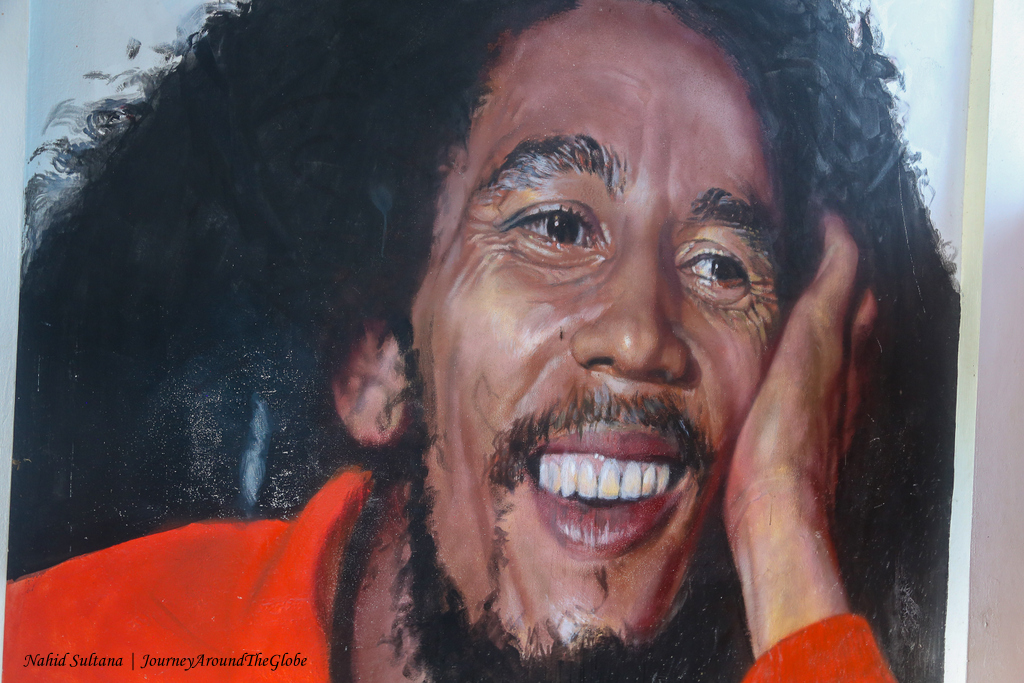
There is a small museum dedicated to him displaying artifacts, his awards, and his music journey. Lots of murals of Bob Marley are scattered all throughout the complex. We also got to see a local band singing Bob Marley’s famous songs.
There’s not a lot of walking on this tour. But it is a smoking and drinking tour. We stopped at a weed seller’s booth right before entering Nine Mile gated complex who was selling all sorts of CBD brownies, smokes, and etc. And once we were inside the compound, people were free to smoke freely and drink from the bar. You can get your famous Bob Marley drink here too.
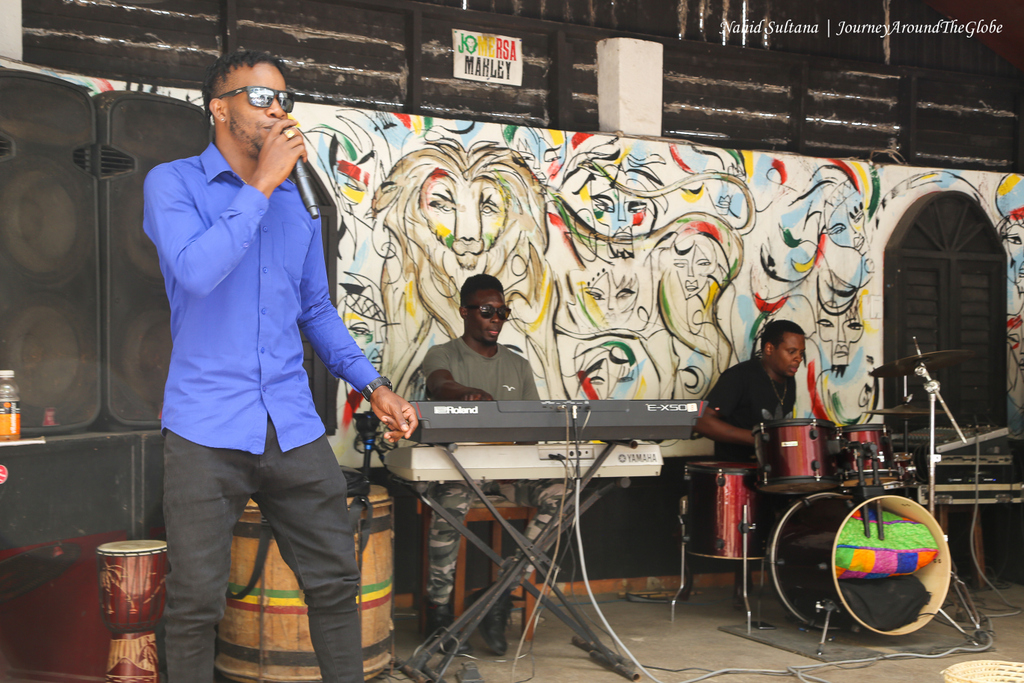
Lunch was not included in this package, there was not even a time slot for that. But since we all got hungry, our drive stopped at an oceanside restaurant, called Father Bull. The restaurant gave a total island vibe…sitting by the water and eating fresh seafood with our group. We had some fried chicken and shrimp curry with rice. For drinks, we had to try the famous green, yellow, red striped – Bob Marley drink.
- Dr. Cave Beach – On our 2nd day in MoBay, we went straight to the beach in the morning. Dr. Cave Beach is right on Hip Strip and is only a 5 minutes drive from our hotel. It’s not only a popular beach in MoBay but also in whole Jamaica. There is a $7 per person entry fee to enter the beach. And we paid an additional $17 for an umbrella and 3 chairs. Taxis are readily available on the front or anywhere on Hip Strip actually.
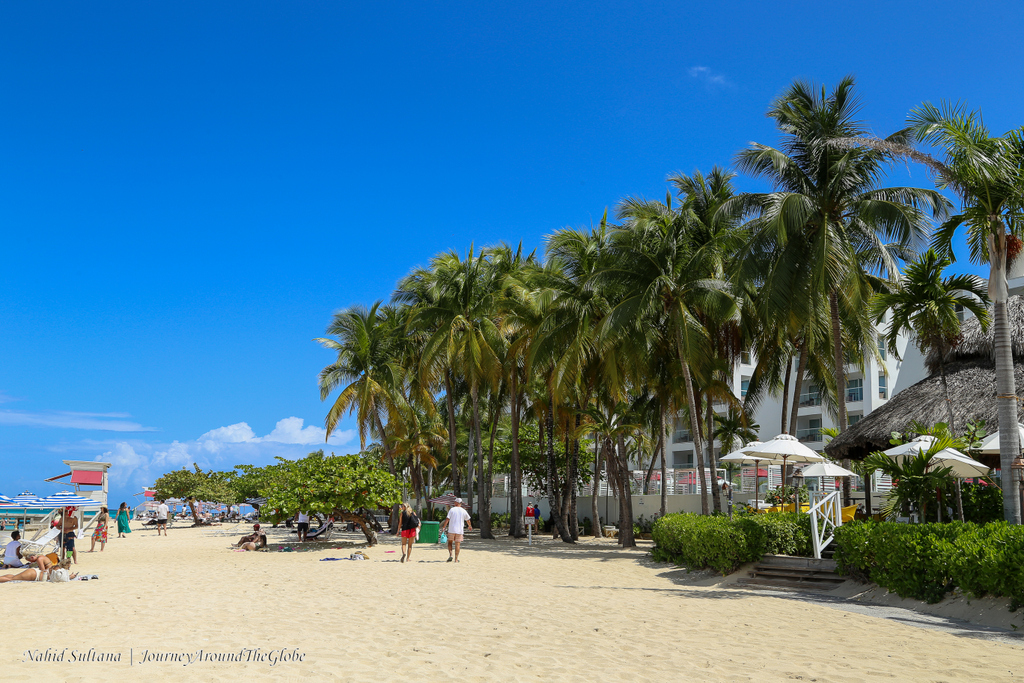
Dr. Cave beach is famous among cruisers and tourists for a reason. Its turquoise blue water and white sandy powdery shoreline are stunningly incredible. Mountain on one side and crystal clear water in the front…it’s what I imagined Montego Bay would be like. We got there before noon and it was not crowded at all. There was also a life-guard on duty. I just sat on the beach chair and enjoyed its serene atmosphere to the fullest while my girls were in the water swimming. We spent a good few hours here in the afternoon.
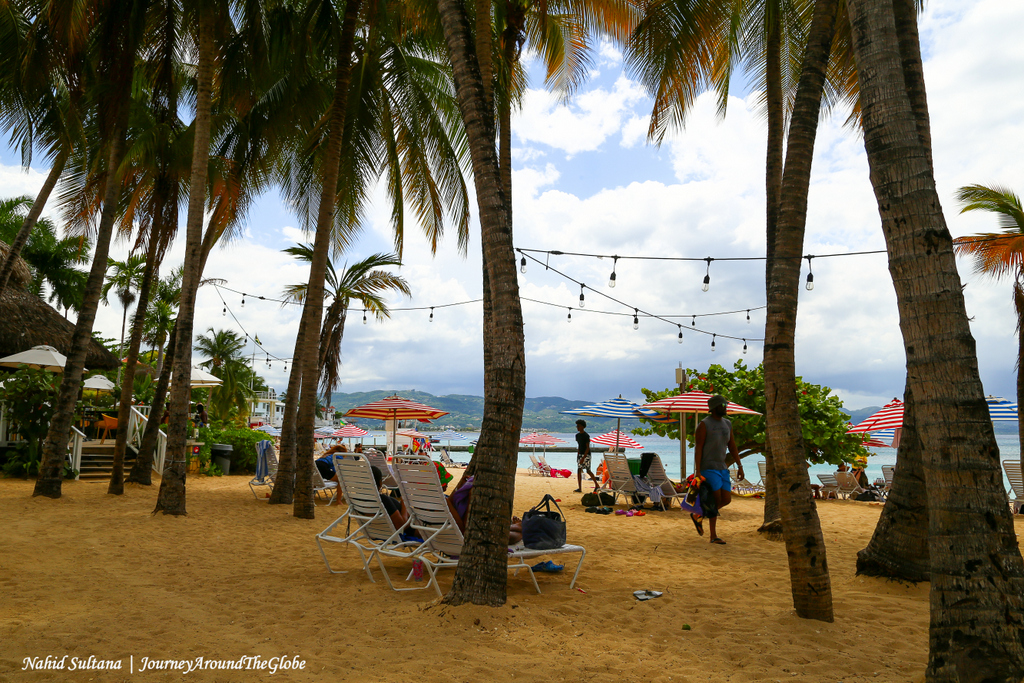
We ordered our lunch and pina coladas right from our beach chairs from Pier 1-On The Beach while sitting by the water. The service was fast and friendly. People usually come to Dr. Cave Beach for sunset as well. There were some booths selling water activities, if anyone is interested.
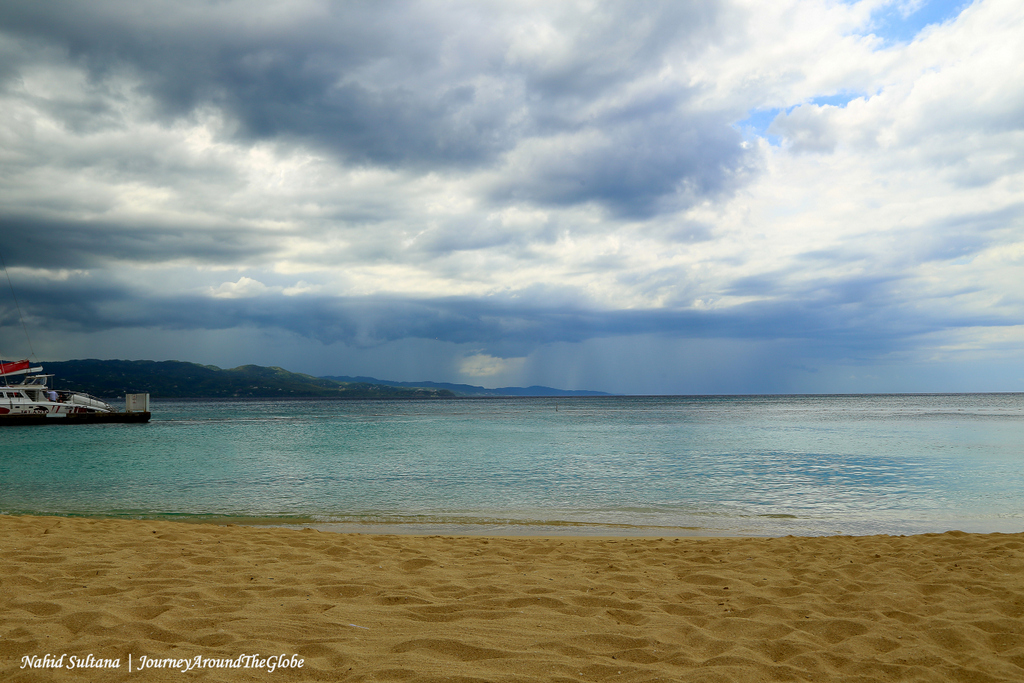
- Hip Strip – As we exited Dr. Cave Beach, we were on Hip Strip on Gloucester Avenue. It’s lined with some of the well-known restaurants, hotels, and packed with many souvenir shops. Keep walking to the right side and explore all the stores. Make sure to bargain for all the items, even if there is a price tag. Usually if you buy more items from the same store…you can ask for a discount.
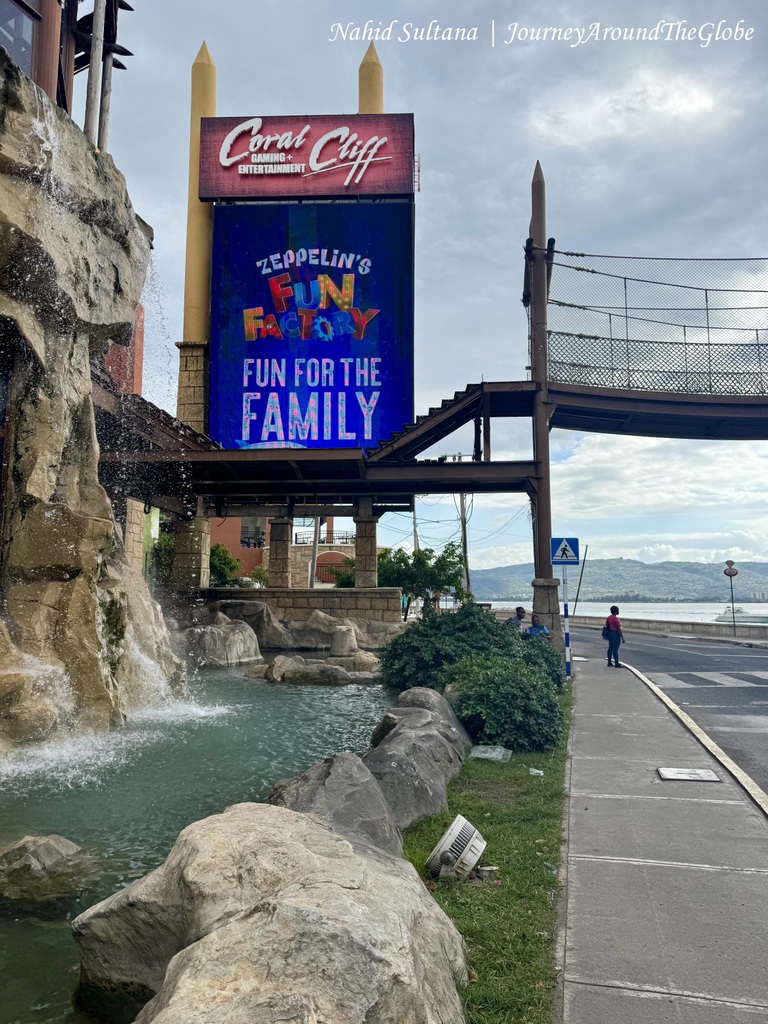
Hip Strip is best to explore on foot. It’s not a whole lot of walking but you get to enjoy the street lined with hotels, shops, lounges, and bars on both sides of the street. We spent about a couple hours…getting some gifts for friends, enjoying some boba tea at Boba Bang, and enjoying the late afternoon. Pretty much all the stores have the same souvenir items more or less…though price may vary.
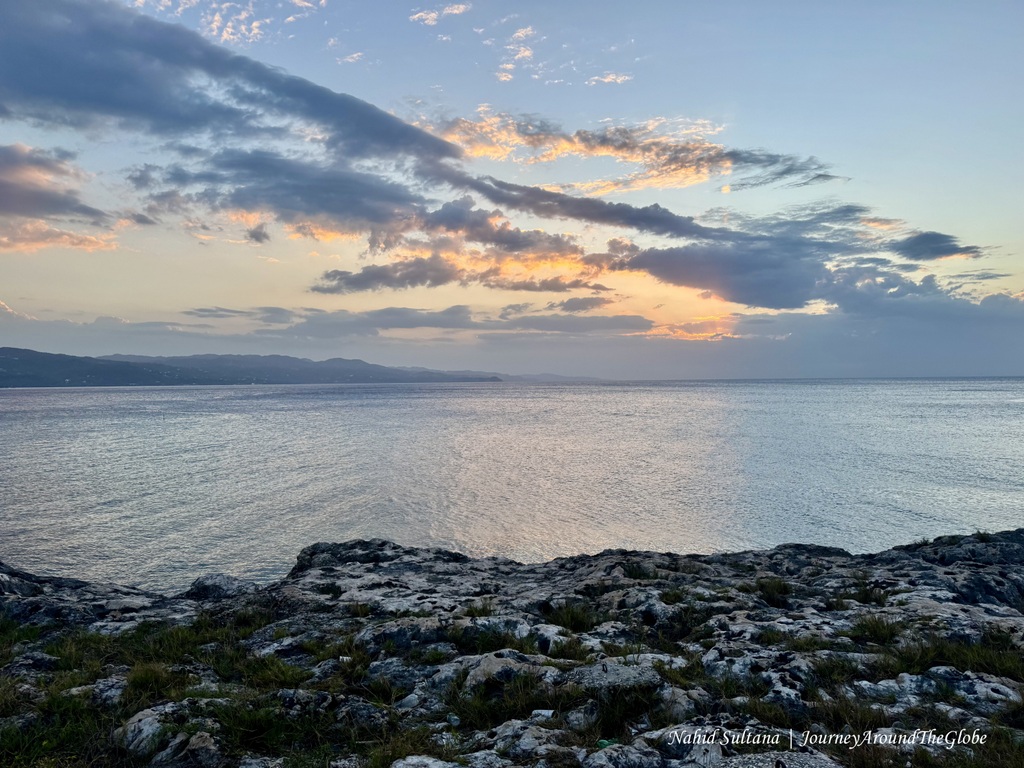
We were approached by some men and women to buy weed on the street…we just said no one time and they didn’t bother us again.
- Bamboo Rafting – This was the most fun part of our trip and a must do activity when in Montego Bay. I also booked it online ahead of time. It’s a relaxed half a day trip. We were picked up at 9am and drove about 30 minutes to get to the river. Make sure to bring enough cash for tips. Also, waterproof flip flops are recommended and make sure you are able to roll your pants up to your knees for the massages.
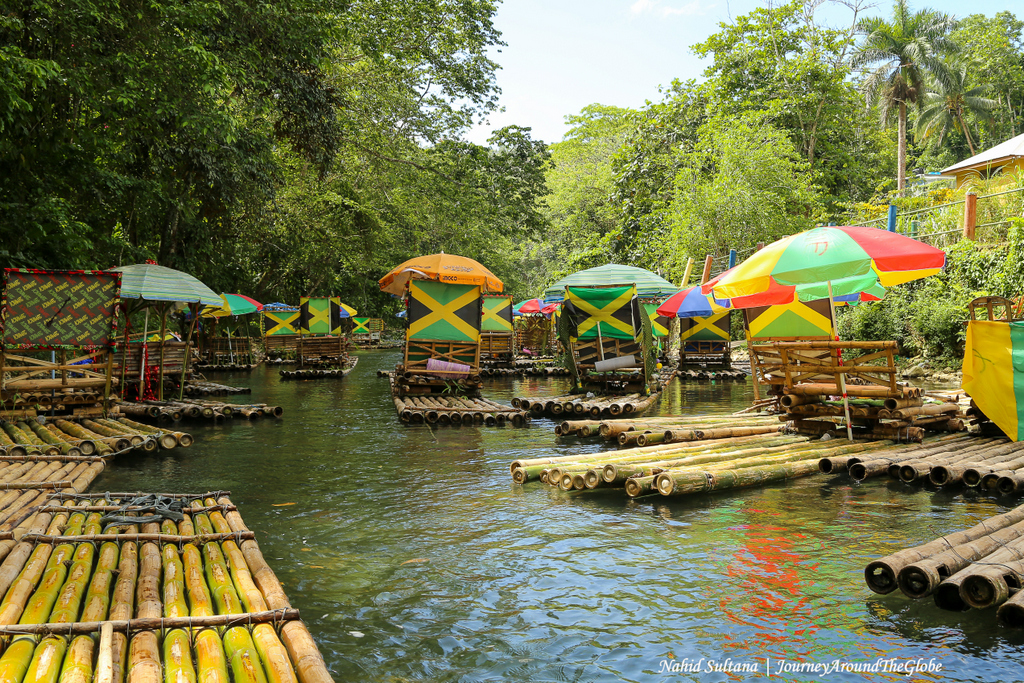
Once we walked down to the boat station, it’s a beautiful river path with trees on both sides. All the boats were decorated with colorful flags, flowers, live plants, and ornaments. It’s peaceful and serene where you forget all the responsibilities of life.
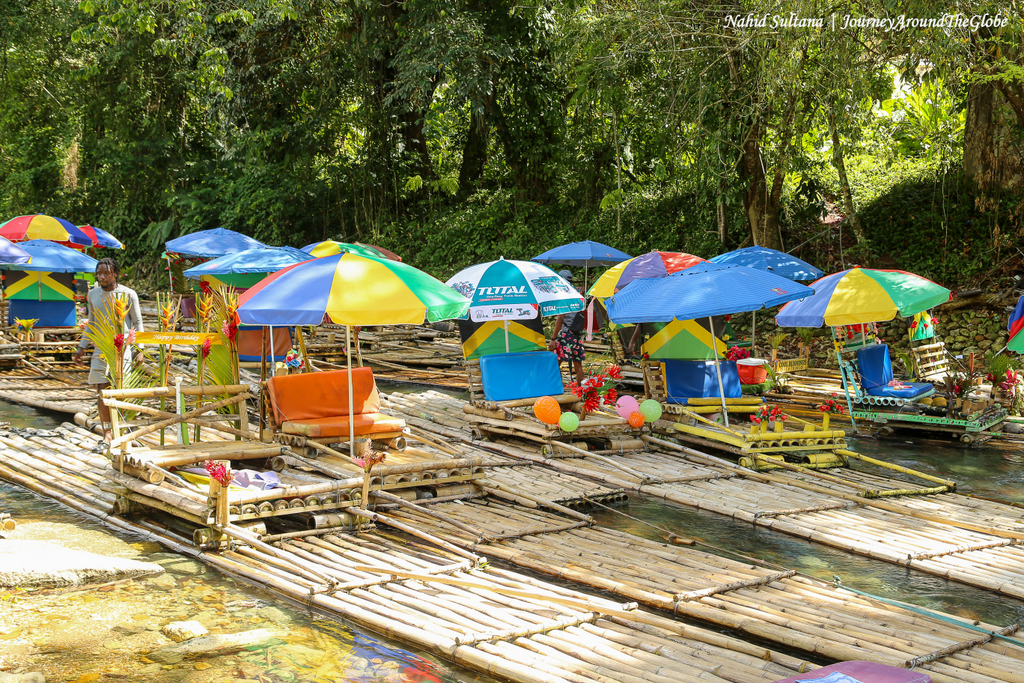
The rafting package came with a limestone foot massage from our “captain”. Limestone is a natural mineral from these rivers which is supposedly good for your skin. They even gave us some free limestone chunks as souvenirs. You can also get a full body massage, for which, I was told, the price should not exceed $60 per person.
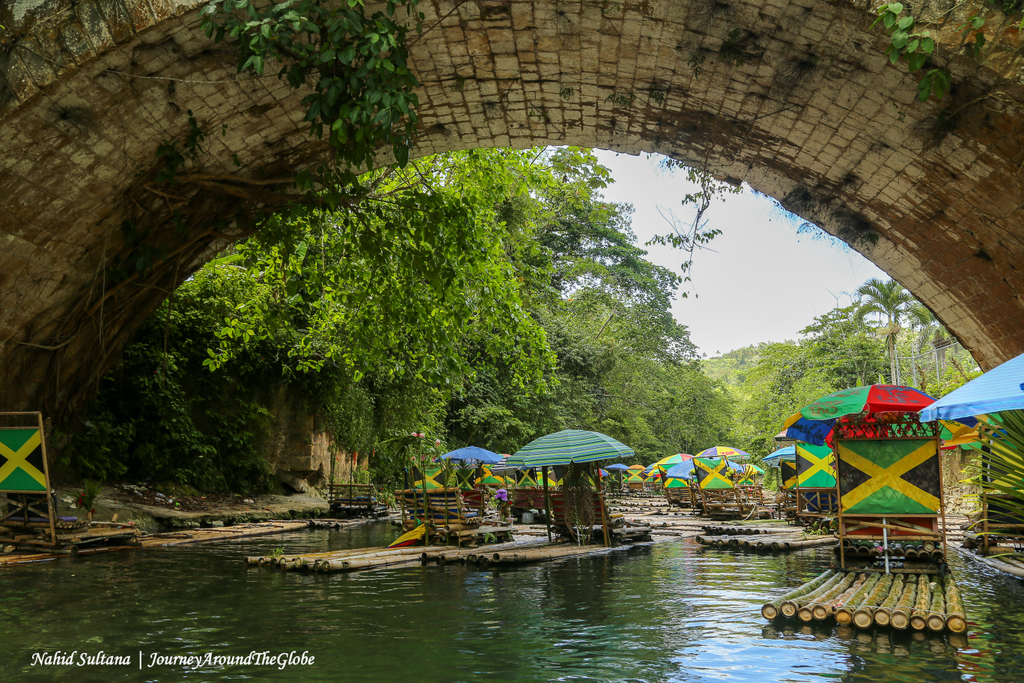
We also had some fresh cut pineapples, sugar canes, and coconut water. When in Jamaica, you have got to try their tropical fruits…they are sweeter and juicier than the ones we get in The States. It was the first time my kids had an actual fresh piece of sugar cane. Also, after drinking your coconut water from a coconut, ask your captain to open it up for the inside part…which is a soft, jelly-like substance and very refreshing to eat.
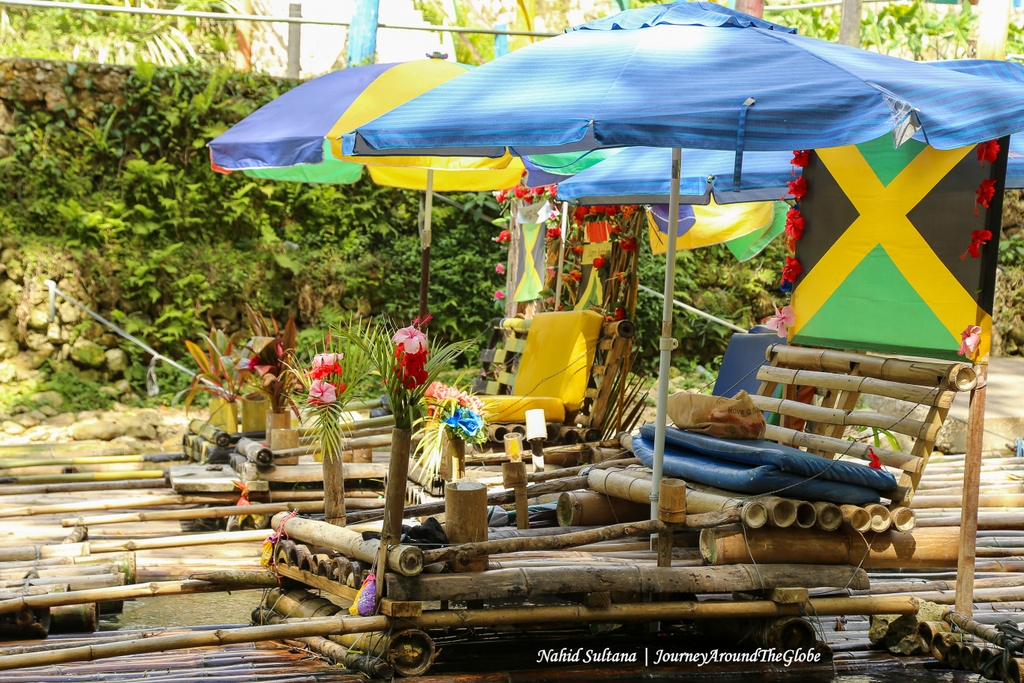
You can also get alcoholic beverages, lobster, jerk chicken, and other smaller plates from the nearby huts by the water. Do keep in mind that maximum 2 people can sit on one raft and there is a weight limit per boat. The whole thing was about an hour and a half long and the bamboo rafting itself only lasted probably less than 15 minutes. They throw in the massages and fruits somewhere in between. The captains of our rafts were playing some Bob Marley and I felt like I was truly being spoiled with the foot massage and my coconut water.
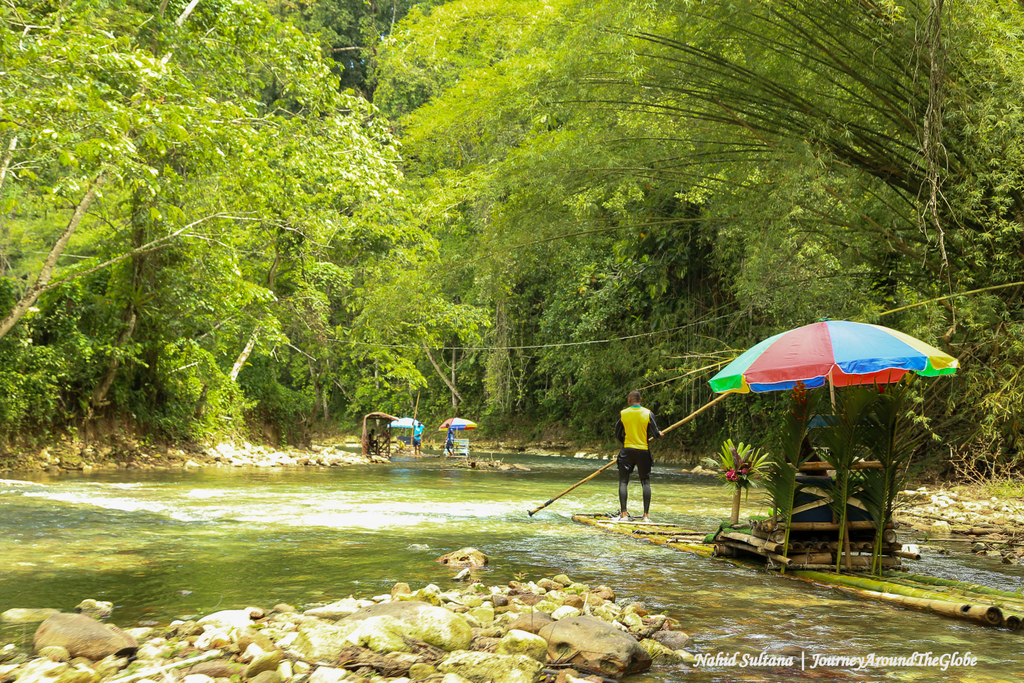
I wish we had more time to visit some of the other places on this island. Downtown Montego Bay is somewhere tourists can get to experience the “real” Jamaica. As I heard, it can be sketchy and caution should be used, especially at night. There are many local beaches to visit in MoBay and relax under a palm tree and take in the scenery, like Cornwall beach, Sunset beach, Tropicana Bliss beach or One Man beach. Negril would be one place I’d have loved to check out. It’s a couple hours of drive from Montego Bay but the beaches and towns of Negril are stunning as I heard. A very popular guided tour package is “Dunn’s River Falls”. We skipped it since none of us are really into any challenging water related activities.
Overall, I will remember Montego Bay for its people and their generosity. I have never met such lovely people anywhere else. Next would be their dishes and fruits. I make my own Jamaican curries now at home and my kids love it. Thank you Montego Bay for giving me and my girls a perfect vacation that we’ll remember for the rest of our lives.
Share this:

Havana – A Timeless Caribbean Haven
Havana, Cuba: Cuba has been in the backseat of my bucket list for a good few years. I wanted to go there but never took it seriously to go through the complicated process of visiting this Caribbean country. It was my little sister who gave me the idea of going there with her. And just like that we ended up doing our first sibling trip together to La Habana.
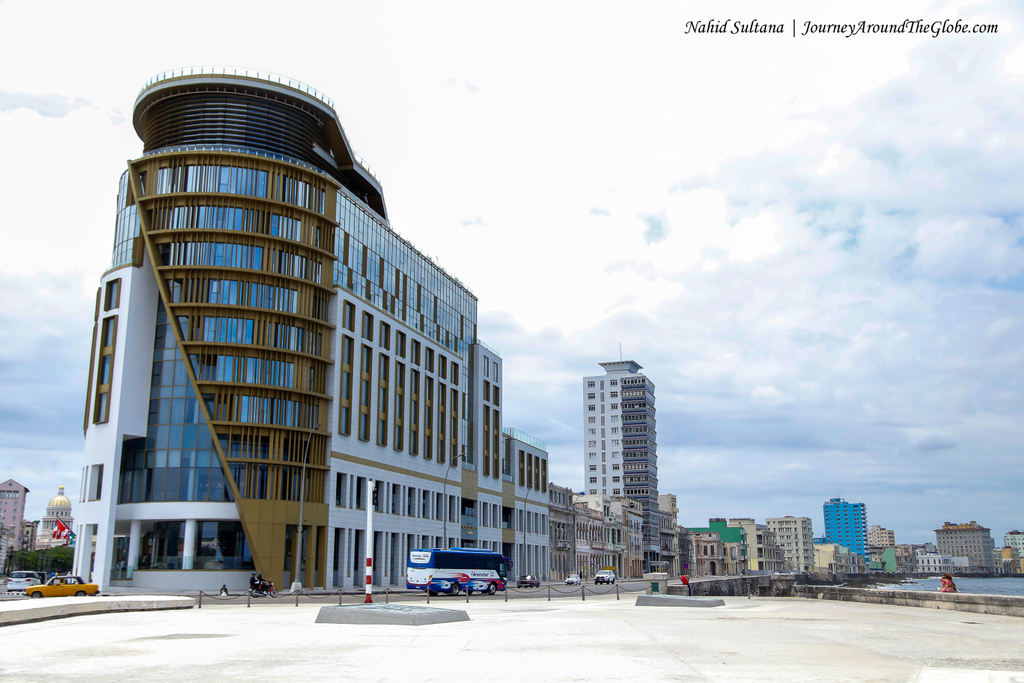
Havana is the capital and the largest city of Cuba. Havana is a melting pot of different architectural designs from the castles and fort to modern high rise buildings. People are helpful and friendly here and…romantic, if I may add. I don’t know if it’s the weather, the history, the struggle, or the culture…Cuban people were free-spirited and humble.

Fair warning, Cuba isn’t a typical Caribbean vacation destination. This is not a place where you go to a luxury all inclusive resort, sip margarita by the beach, and tan. I was there more for the experience and education rather than having a relaxing vacation. Cuba is a communist country. The moment I got out of the airport…poverty and underdeveloped surroundings in the capital city of Havana were an eye-opener, unlike any other Caribbean islands I’ve visited before.
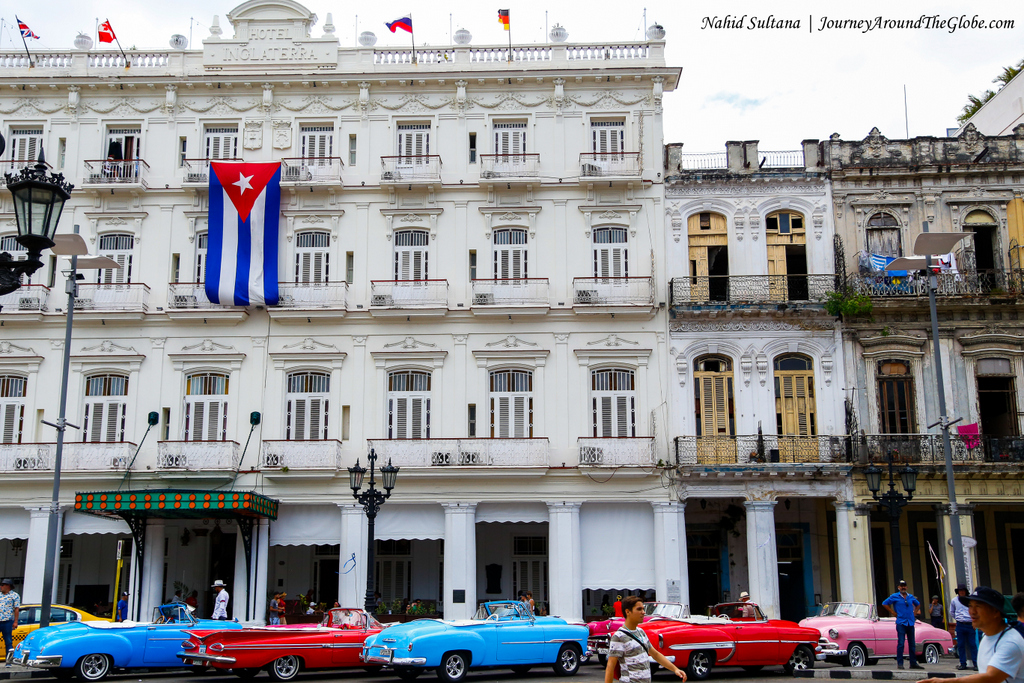
We used both Cuban pesos – CUP and USD interchangeably during our trip. I brought plenty of $1 and $5 bills for tips/donations and lots of $10 and $20 bills for other expenses. While most of the places took USD, some small places prefer Cuban currency. Make sure to bring enough cash if you are traveling from the USA, because Cuba still doesn’t accept any credit cards from here. Converting USD to Cuban dollars has no standard rate either…do a little research before going. The best place to convert your USD to Cuban dollars is in your hotel…they will probably give you the best rate and it’s safe.
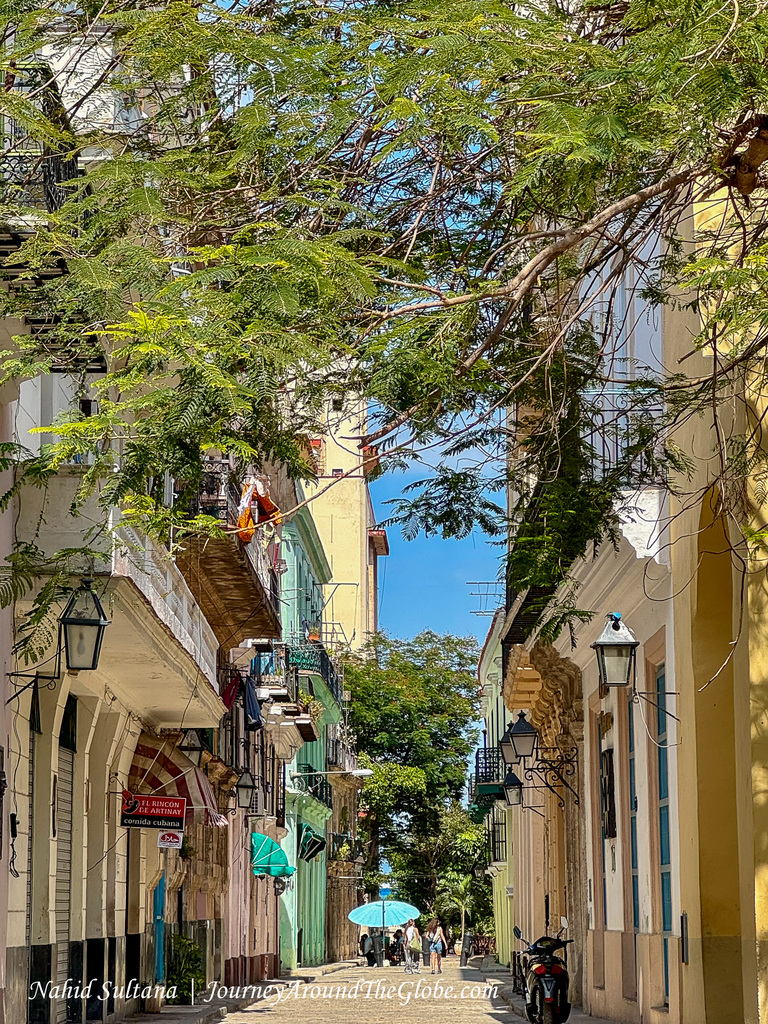
There are some rules and restrictions for the US citizens, please do your due diligence before visiting Cuba. One of the rules is, as a US citizen, you cannot buy or make any monetary transaction with the Cuban government. Also, US citizens need to apply for a visa online before going to Cuba. It was about $110 for a visa with Fedex shipping. I received my hardcopy in the mail within 3 days…very easy, efficient, and quick. But I also saw at my gate where we boarded for the Cuba flight, was selling Cuban visas. I didn’t want to wait until the last minute, therefore got my visa way ahead of the journey.
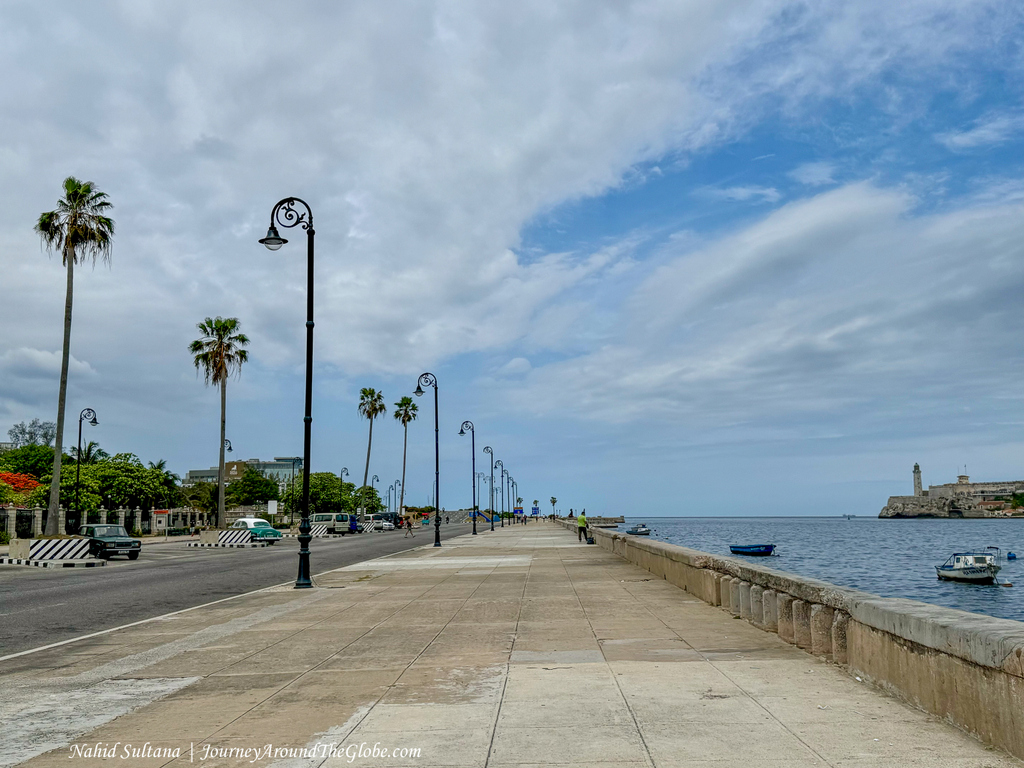
To get around the city, vintage car riding is a luxury option (see below). Havana also offers hop on/hop off buses for the tourists. Water taxis/ferries are common too to go to the other parts of the city. Tuktuks are yet another way to travel around the town.
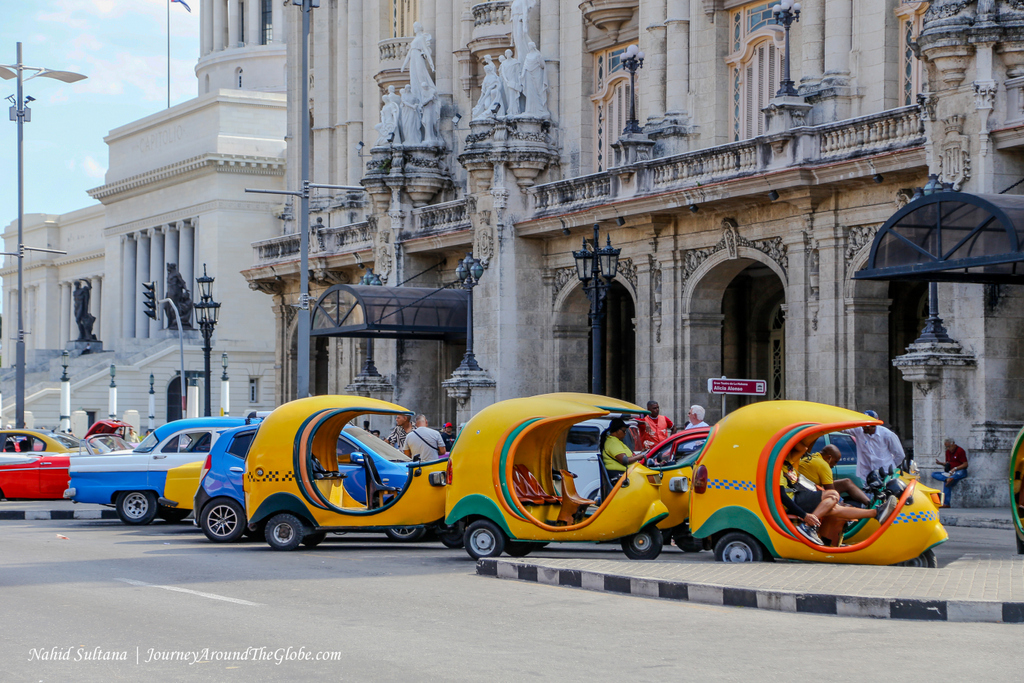
Another big tip I can give to the future travelers to Cuba is that please bring lightly used clothes, toiletries, first-aid/over the counter medicines, school supplies, and etc for donation here. My sister brought a whole suitcase of different items and we gave those away in the streets and some to our AirBnB host to give those to her church. Most of the daily food items are rationed here and people are too poor to afford medicines, hygiene items, children toys, and many other things.
TIME OF TRAVEL: We visited Havana at the end of April, 2024. Since Cuba is a tropical country, heat and humidity are felt all year long. Additionally, being surrounded by the Atlantic Ocean, the Caribbean Sea, and the Gulf of Mexico, the water at the beaches are always warm too. The temperature was perfect during our stay, capri and tshirt kind of weather.
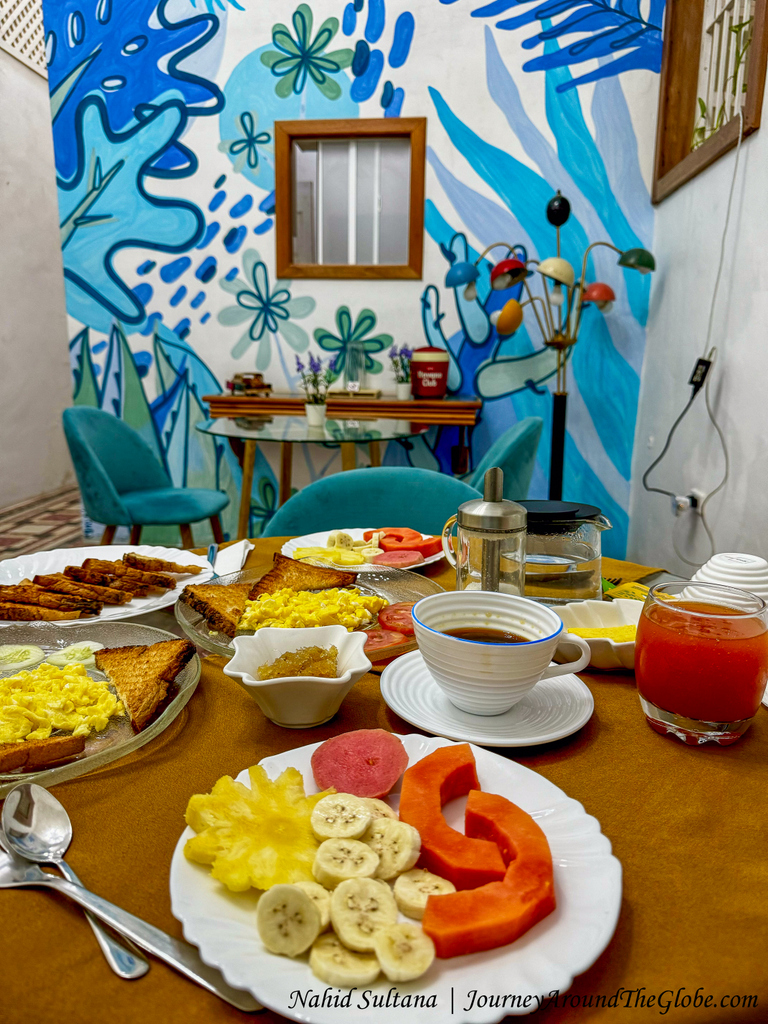
OUR HOTEL: Our hotel/bed and breakfast was in the heart of Old Havana, only 5 minutes walk from the main square of Old Havana, La Plaza Vieja. Al Sol Suite had only 3 or 4 rooms in the building. The host was amazingly helpful and friendly. We had breakfast included with our stay. Since eggs are rationed here, we had to pay extra for eggs. Other than that, our room was quite spacious and had a balcony. We also converted our USD to Cuban dollars from the host.
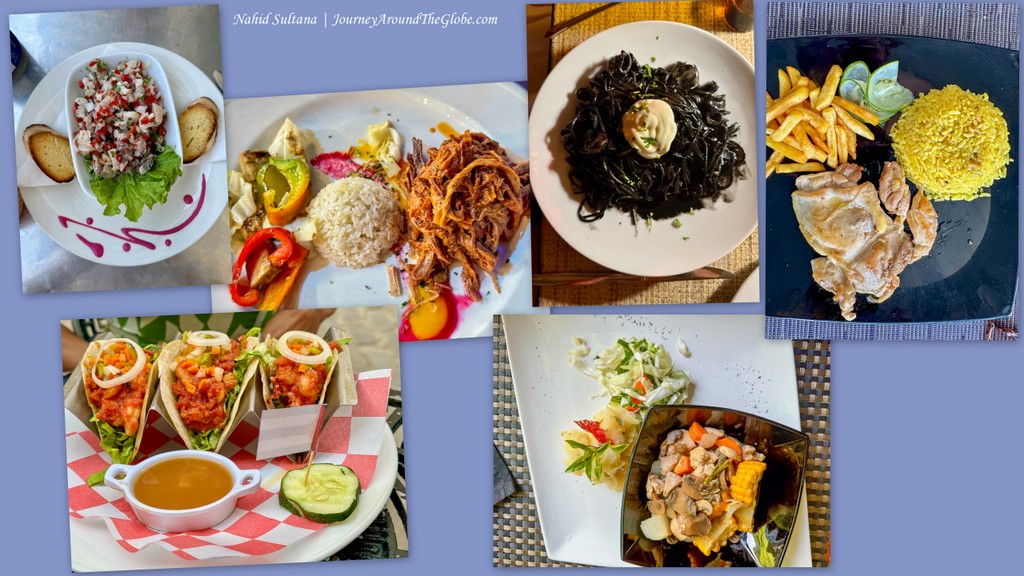
EATING and SHOPPING: Food here in any small or fancy restaurant is a hit or miss. We have had some tastiest lunch in a small restaurant yet some of the worst food while sitting in an upscale place. Street food like empanadas and churros are very popular. For lunch or dinner, chicken with rice, beans, and plantains are staple. Any seafood, Cuban sandwiches, and something called “Ropa Vieja” can be found in almost any restaurant. Ropa Vieja is the national dish here…it’s a slow cooked shredded beef dish served with rice and plantain. I tried it twice and wasn’t a big fan of this…a bit too dry for my taste.
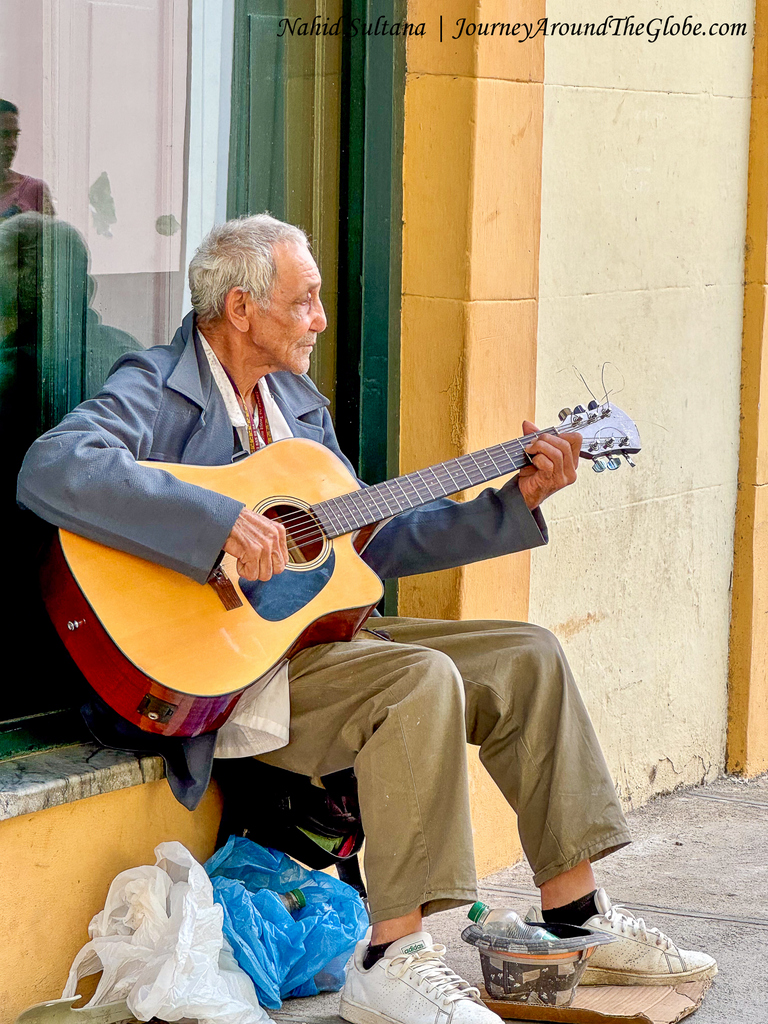
Music is an integral part of the old town of Havana. A lot of the restaurants have live DJs or vocal performers for their customers almost day and night. We saw people playing their instruments or dancing to a tune in the alleys too.
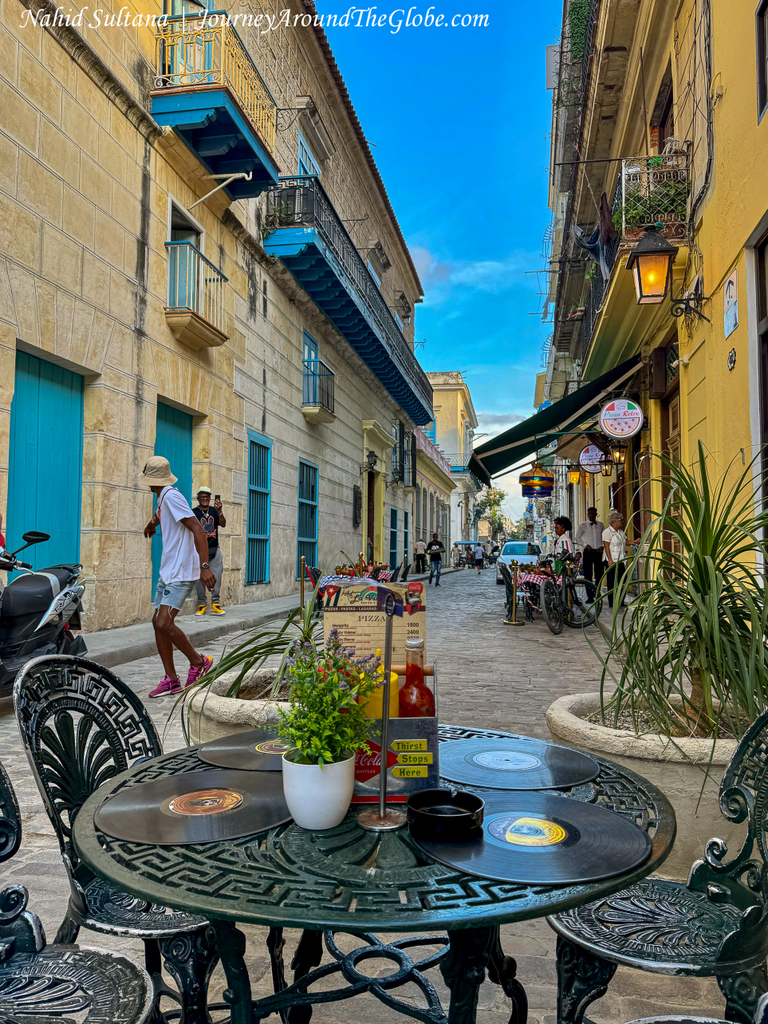
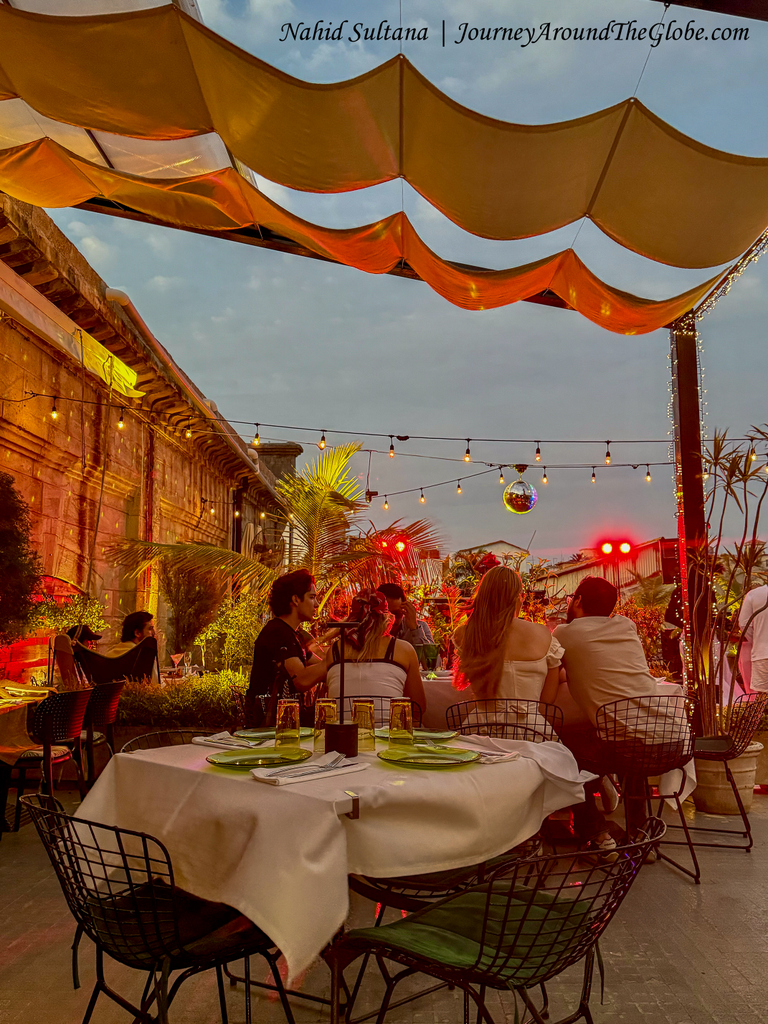
Our first dinner was at La Moneda Cubana. It was on the rooftop of a beautiful colonial style building and had a live band. While the food was not what we were expecting, the atmosphere during sunset was beautiful. My ropa vieja was actually pretty good while my sister could only finish her seafood plate half way because of the lack of flavors.
The next day our lunch after visiting a castle was at Mojito Mojito Cuba in the old town. My chicken stew with salad and yucca was above expectation. I loved the interior of this restaurant by the way…very cozy and colonial looking.
One of the good places where we had dinner on our last night was at El Cocinero. We were lucky to just get a table without any reservation. This was a rooftop restaurant with a live DJ and fantastic vibe. My ropa vieja was not edible after 2 bites but my sister’s black ink pasta and ceviche were extremely good…loved their bread also.
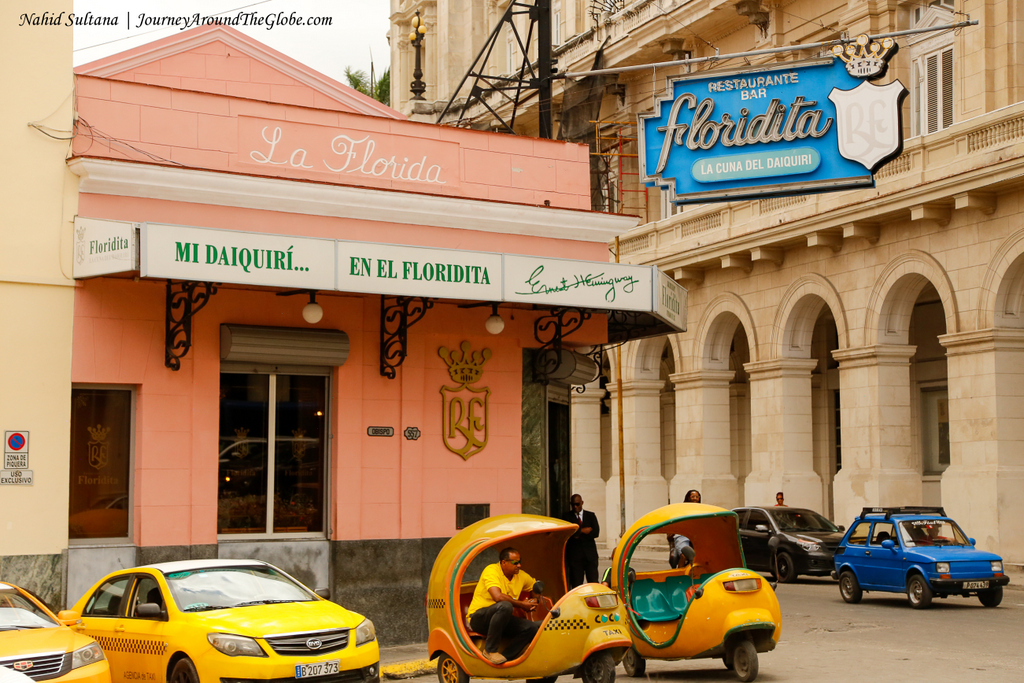
For drinks, mojitos and daiquiris were invented in Cuba. Cuba Libre was something I thought would be pretty available but apparently most of the places don’t sell that. La Bodeguita del Medio is a historical bar where mojito was invented and where the famous writer/journalist Ernest Hemmingway used to hang out a lot. It’s very small and looked crowded from outside. We just walked by it to go to the cathedral. Another famous bar is El Floridita which was Ernest Hemmingway’s favorite bar and where he spent a lot of time with the locals. This is where daiquiri was invented about 200 years ago. El Floridita was a fun and spacious place with live music and a fun atmosphere. This place was packed but even if you can’t sit for a drink, make sure to take a picture with Ernest Hemmingway’s bust at the corner.
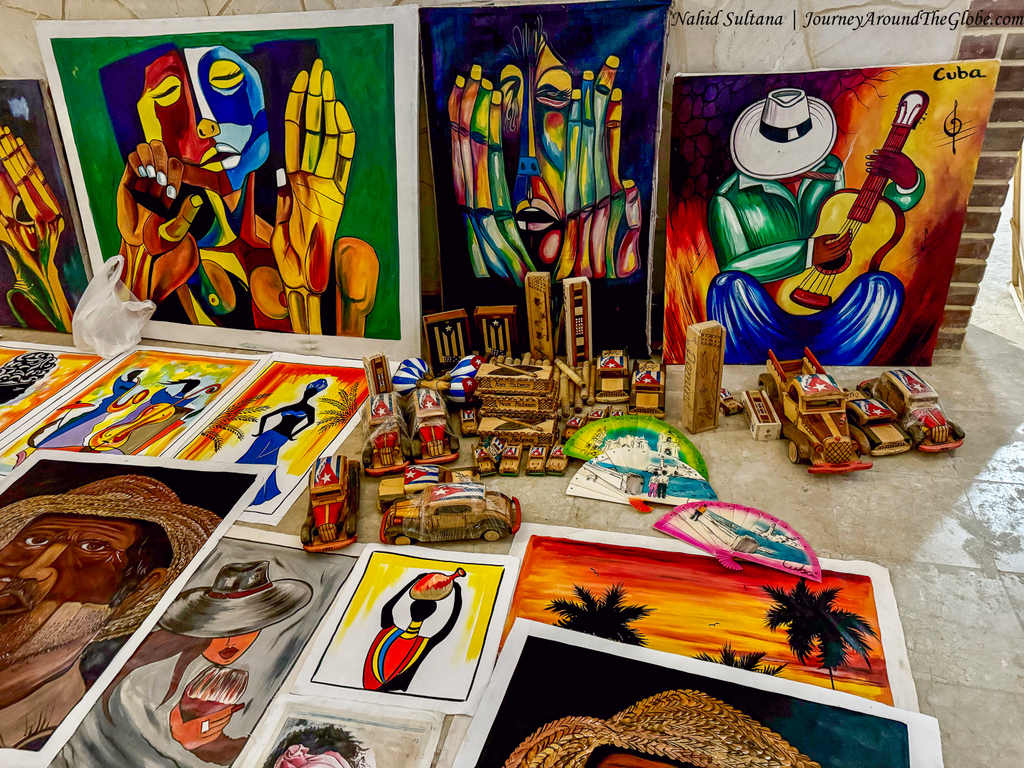
When in Cuba, you have to buy or try some Cuban cigars. On our last day, this gentleman from our lunch venue took us to a lady inside a small home who sells hand rolled Cuban cigars. I was looking for the thin cigars (not the traditional ones) and got a pack for $15. I also bought some clay mugs/cups, magnets, and small Cuban street paintings.
PLACES I’VE VISITED:
- Vinales Valley Trip: This full day trip was booked a few weeks before our trip online. It’s about $73 per person for about a 12-hour tour with hotel pick up/drop off and a meal. Unfortunately, I arrived in Havana a day later than my sister because I missed my early morning flight and had to rebook and catch the next available plane. This was our only guided tour out of Havana to go enjoy the country and to see an old Cuban cigar plantation. But what I heard from my sister was that it was a nice getaway. Visitors get to see how the cigars are made and they offer you to try them also. A river cave tour was included here too which was supposedly really exciting. Bummer, I missed this whole thing for no good reason.
- Old Havana: The day I arrived in Havana, my sister and I mainly walked around the old part for a couple hours. This is the core of the original Havana which was declared a UNESCO World Heritage Site in 1982. Old Havana consists of many absolutely stunning streets and narrow alleys like a big maze. Just getting lost here and enjoying the colorful architects were definitely something I enjoyed. Some prominent streets that I absolutely loved are Plazuela de Santo Domingo and Calle De Los Mercaderes.
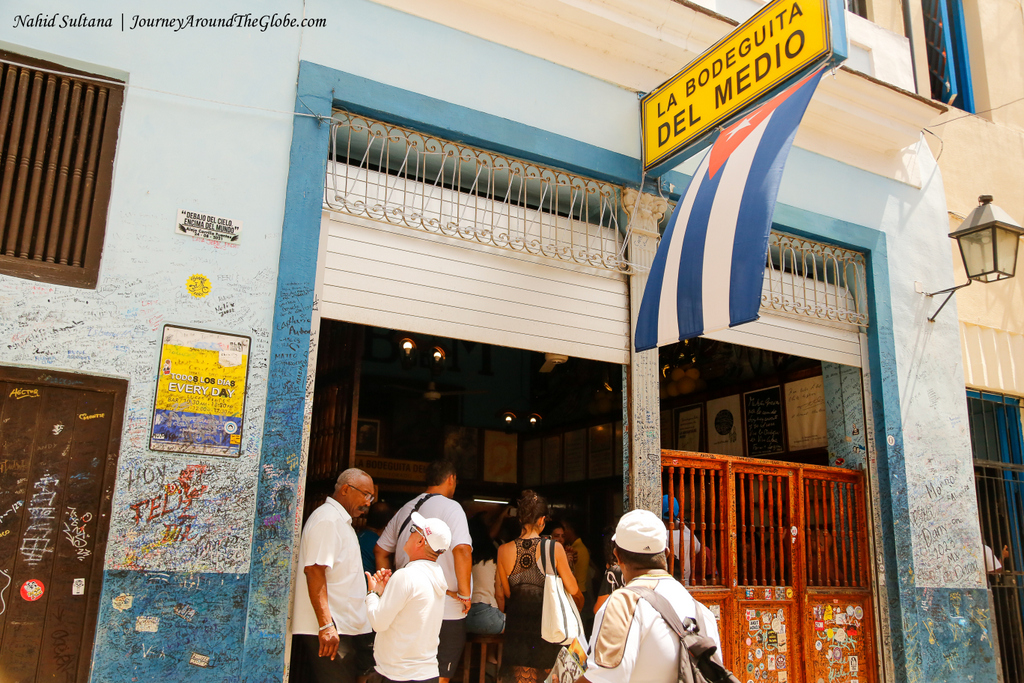
Old Havana does have another side other than glamorous colorful buildings and well maintained squares. As we walked around some of the inner parts of the city, we saw crumbling buildings, stores with empty shelves, and dirty pathways. To see the real Havana, get off the well kept touristy alleys and get lost in the core of this old town.
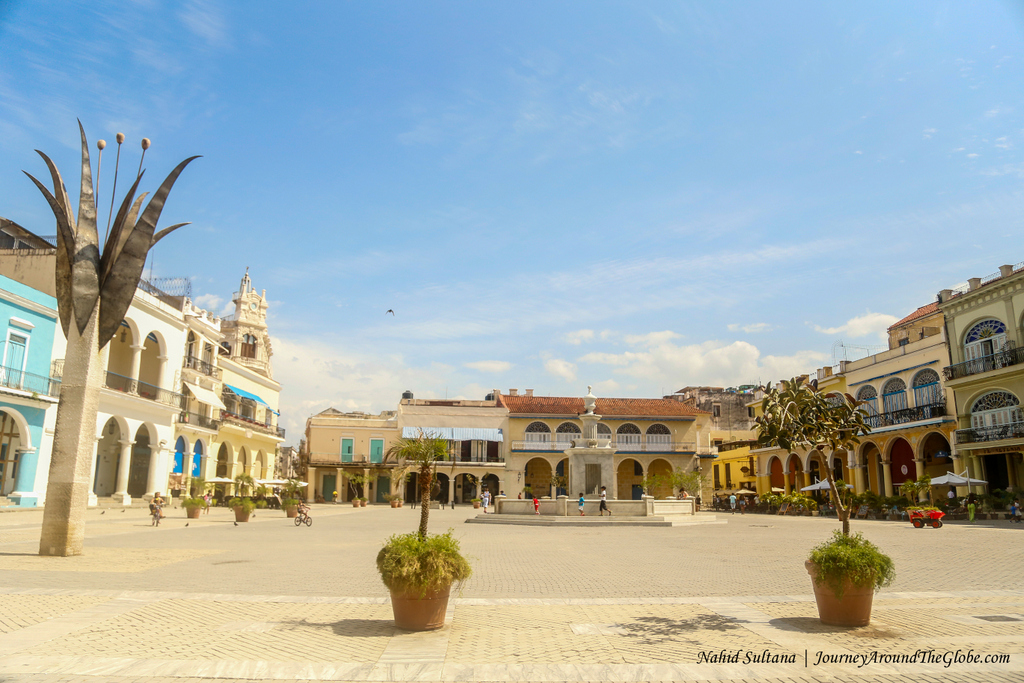
a. La Plaza Vieja: This is the main public square surrounded by plenty of restaurants and old colonial buildings. It was not as crowded as I thought a main square should be…just some boys playing soccer leisurely and locals hanging out near the fountain. There are some simple statues and sculptures in this plaza. Many old colonial style buildings are bordering the plaza…a lot of them are galleries and museums. There are a few restaurants surrounding the square where we had our last lunch on a balcony.
We took one of the alleys off of the square and started walking towards San Francisco de Asis while enjoying colorful and old premises.
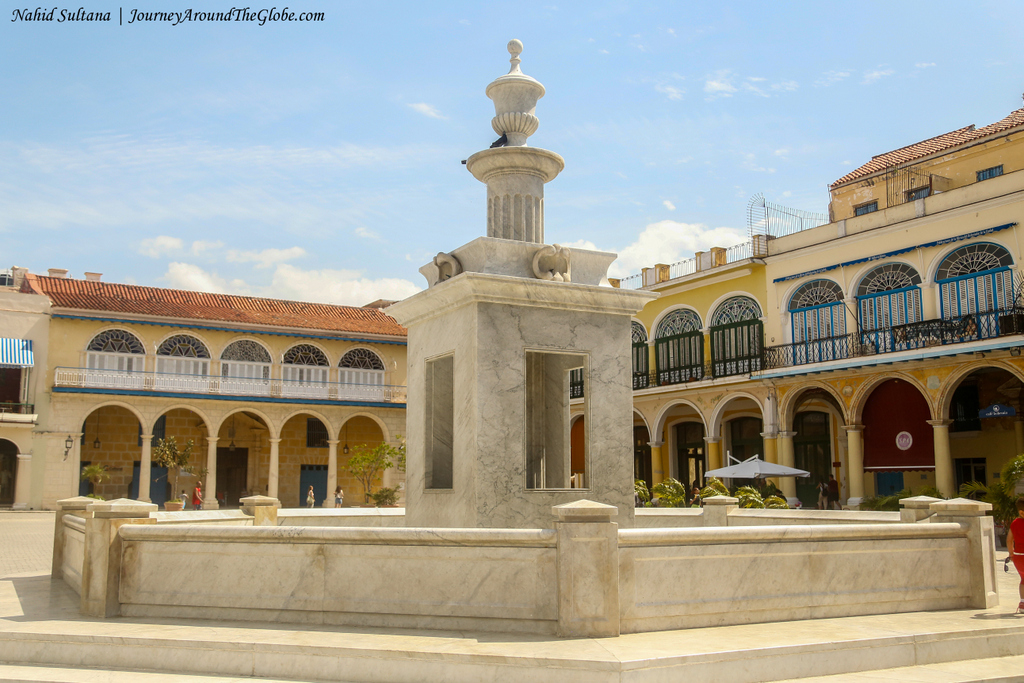
b. Plaza de San Francisco de Asis: The Church of San Francisco de Asis is located in this plaza. While we were trying to open the big gate to go inside, a young gentleman in uniform opened the gate and asked if we’d like a tour of the place. We immediately agreed. He took us around the church and spent about 15-20 minutes touring this old architecture. It was only us inside this big empty church. There was no entry fee but we gave some tips to the guard.
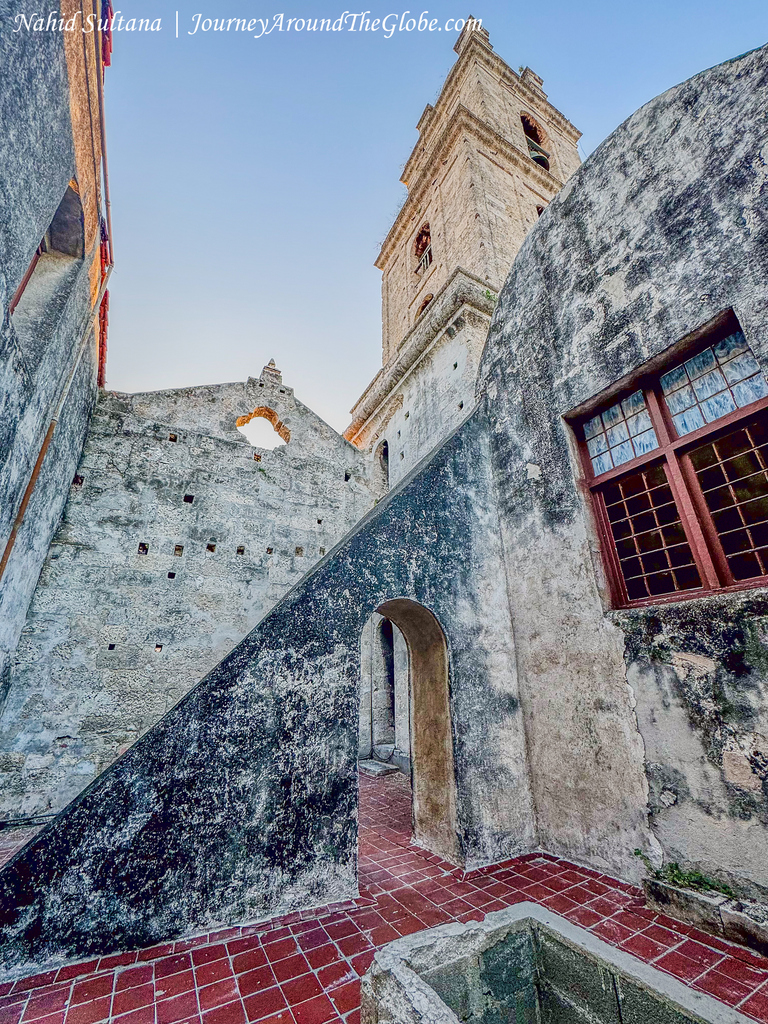
The building is in a good shape but could have used some love and better maintenance. The big arches, old interior, and a beautiful courtyard are worth a visit here.
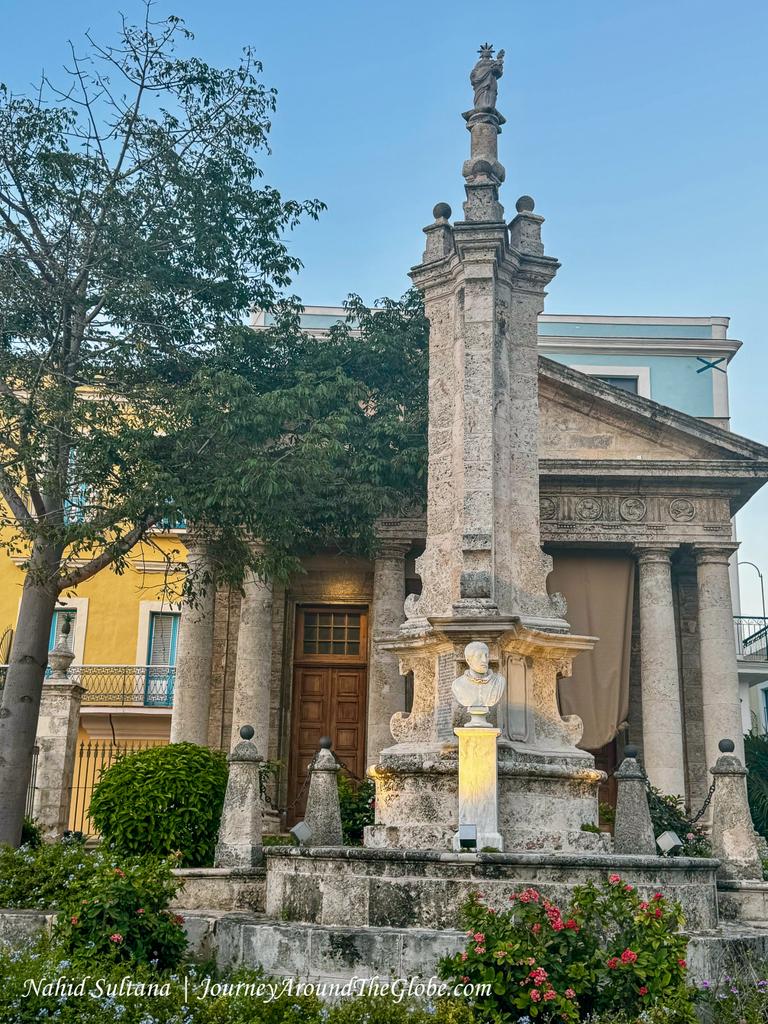
c. La Plaza de Armas: From the church, we started walking towards the water and somehow ended up in the Plaza de Armas, the oldest and most historical plaza in Cuba. Since everything was closed, we only got to see the monuments and gated buildings here. The landmarks are well maintained with signs and information boards. This is a pretty big complex for locals and tourists to hang out. Some of the monuments and sculptures, and of course the old buildings date back to the 16th century and are what make this square a relaxing place to take a stroll.
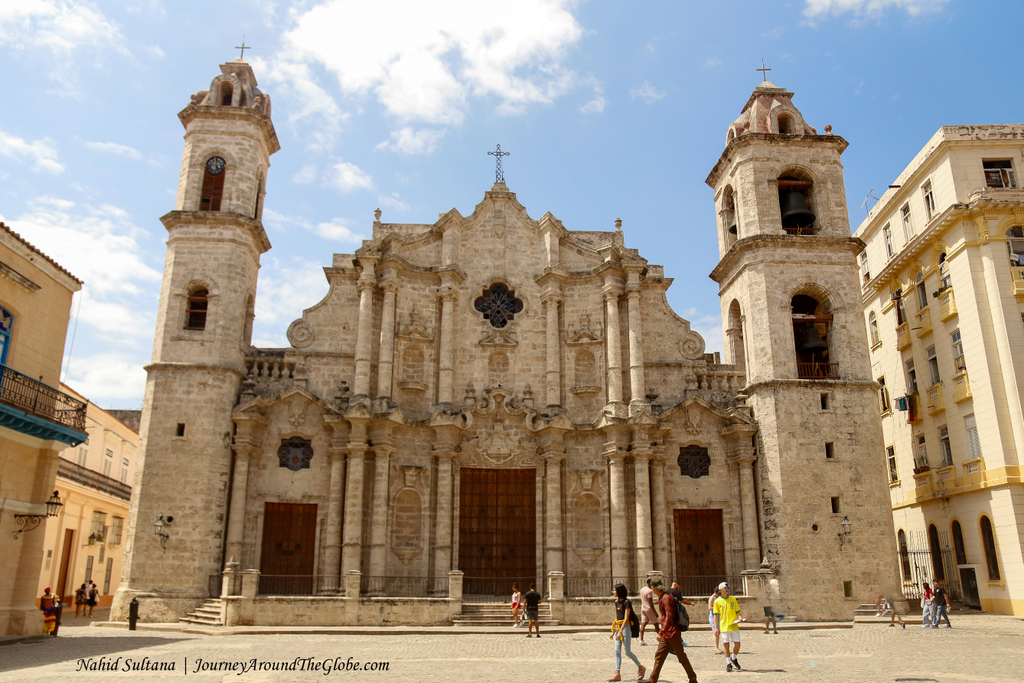
d. Havana Cathedral or Catedral de San Cristobal: On our 3rd day in Havana, we walked around a lot. Old Havana Cathedral is a beautiful edifice with intricate designs outside. We couldn’t go inside the cathedral but enjoyed sitting in this open square “La Plaza de la Catedral” and looking around the surrounding old constructions. It’s a minute walk from the famous La Bodeguita del Medio bar that I mentioned above.
- El Cristo de La Habana: On the second morning in Cuba, we took a ferry from the main ferry terminal to visit this castle. We could buy the ticket at the terminal and waited only about 15-20 minutes for the next one. It does get pretty crowded on the ferry but it only took us less than 15 minutes to get dropped off on the other side.
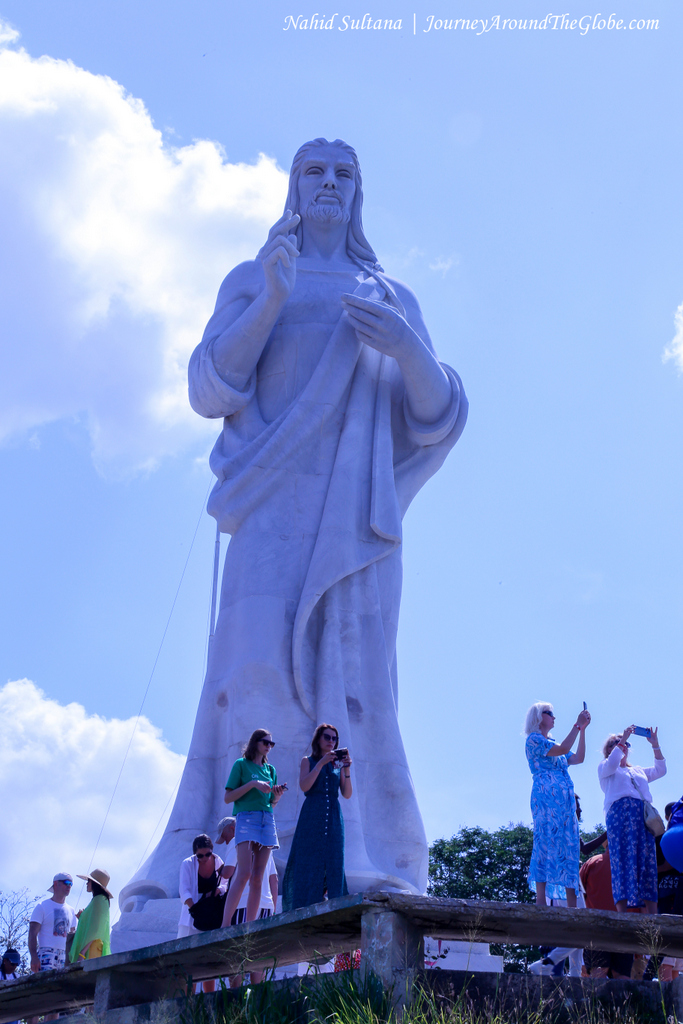
There is a little bit of hiking once you reach the other side of the water to go to the monumental statue of Jesus on the hill, called “El Cristo de La Habana”. This overlooks the water and Old Havana on one side. This was made by the great Cuban sculptor Lilian Jilma Madera. El Cristo de La Habana is located 51 meters above sea level and 20 meters in height. It was formed by 77 pieces of marble weighing about 320 tons. Each piece of this statue was sculpted in Rome and was blessed by the XII Pope. Then finally in December of 1958, the art piece was inaugurated.
From there, we walked about another half an hour under the sun and passed by the open air museum. Here you can see some of the fighter jets, small planes, and artillery from the Cuban war.
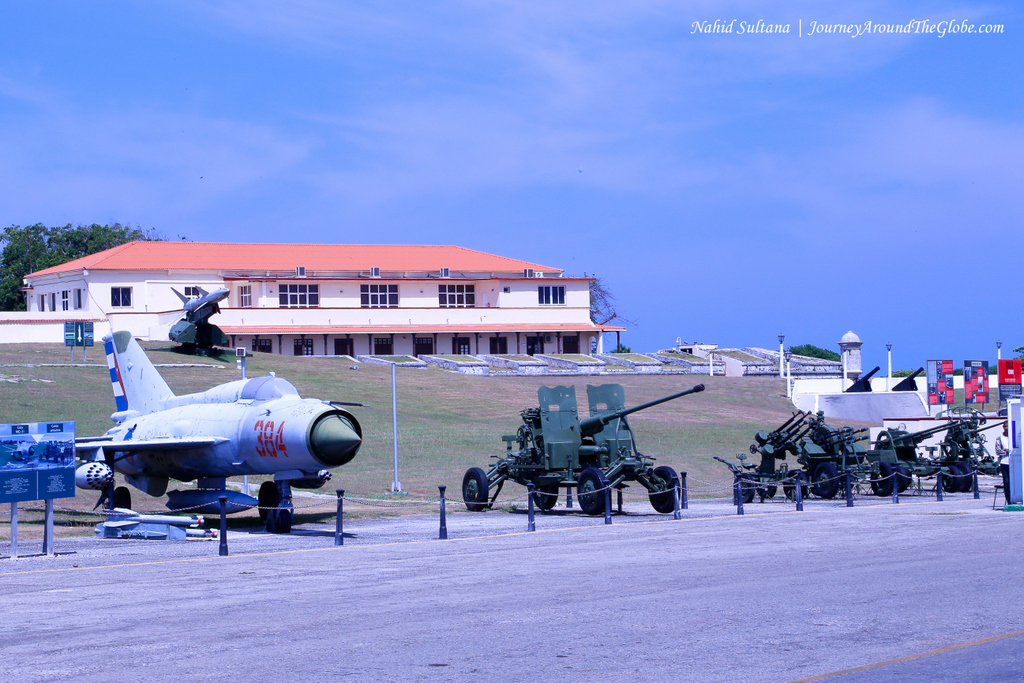
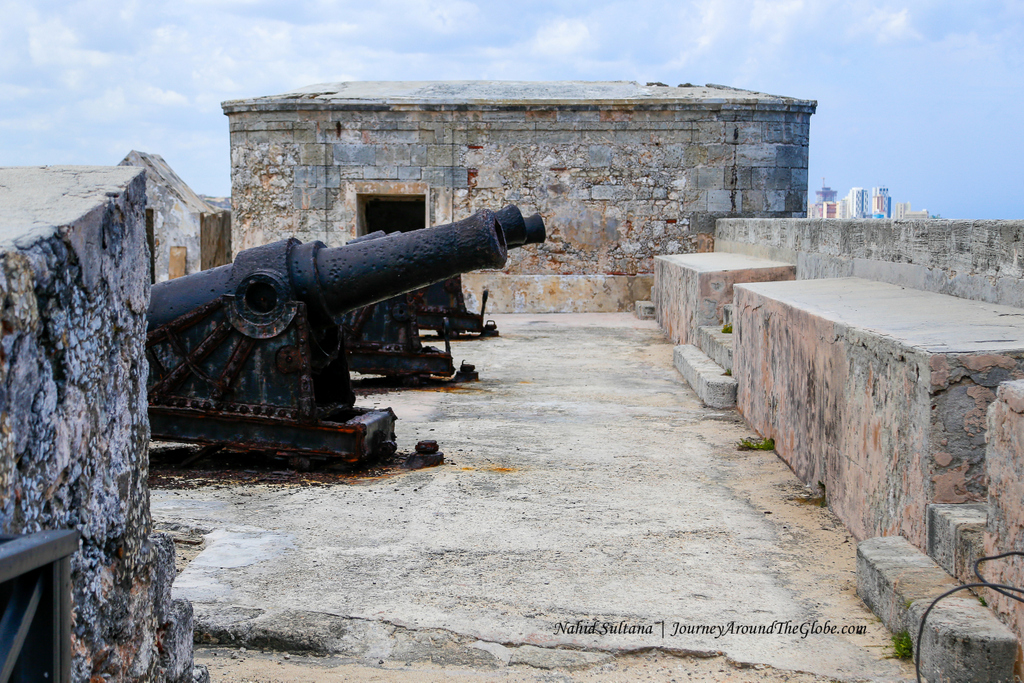
- Castillo de los Tres Reyes del Morro: Castillo de los Tres Reyes del Morro and Fort of San Carlos of the Cabin were close to each other. We chose to only visit Tres Reyes del Morro. It was built between 1589 and 1640 to protect the city from the pirates and foreign invaders. The ground of this European style castle is vast and the views from every corner are incredible. There are a few old tunnels that visitors can walk through. We took a quick tour of the museum that displayed a lot of history from the beginning of Cuba and its early civilization. For its architectural features, it is currently considered as one of the best examples of military architecture built in the 17th century in New Spain.
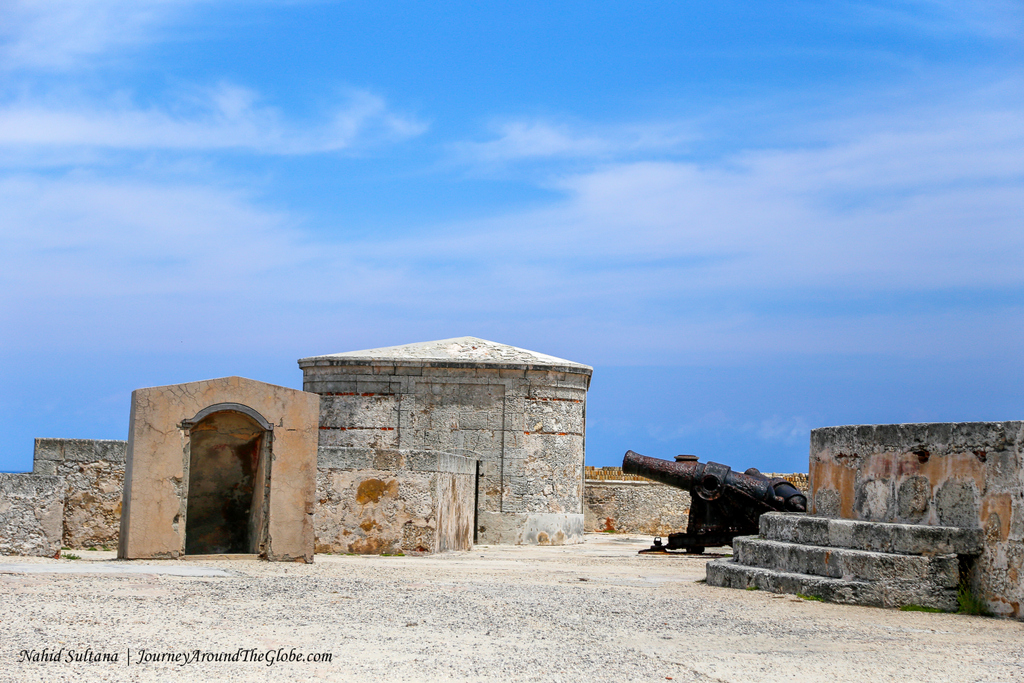
It’s only 200 CUP to enter the Casa Blanca. Make sure to wear comfortable shoes and be ready to walk a lot here. Go through the old tunnels and enjoy the 360 view from this elevated place. There are taxis outside of the castle and we took one to Plaza Vieja to come back for lunch.
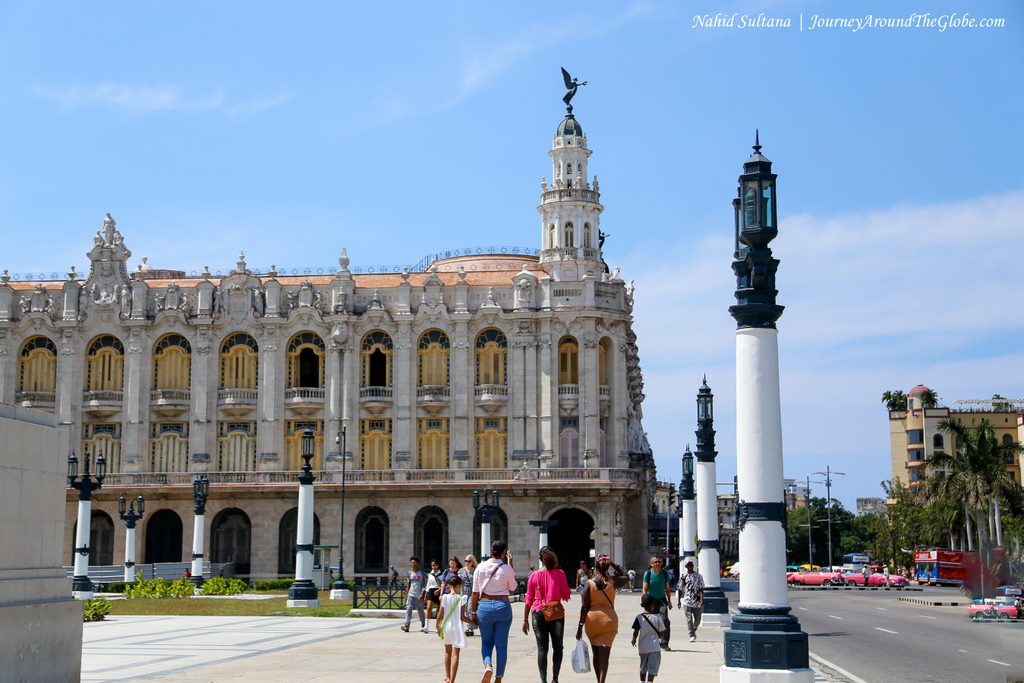
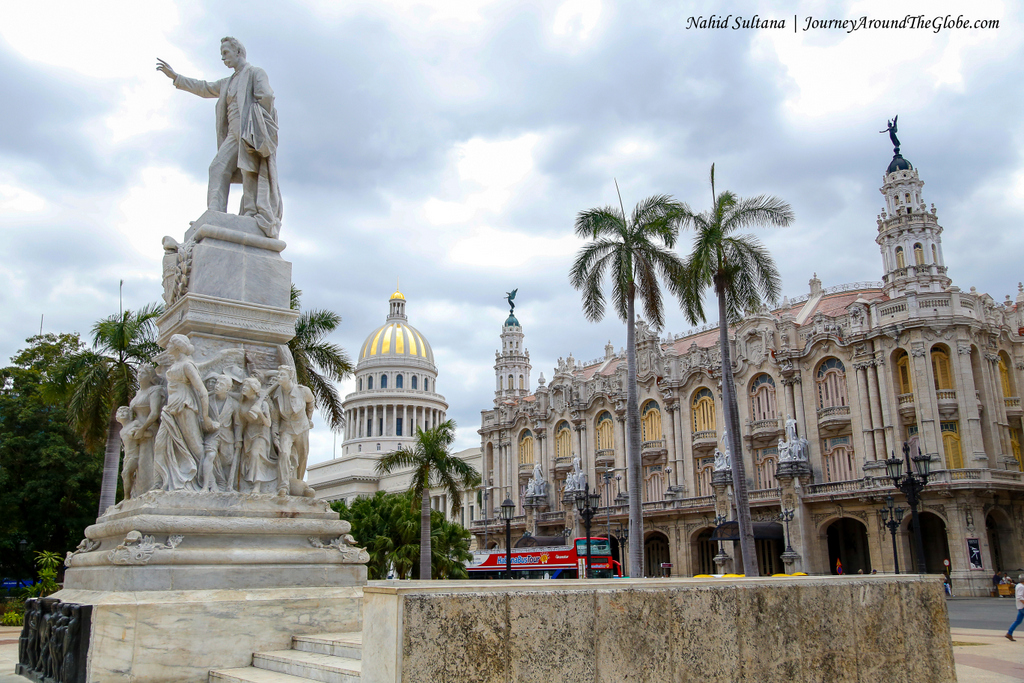
- Capitolo: After lunch we walked for another 15-20 minutes towards Centro Havana. The state capitol, Capitolo, is located here and you can’t miss it. This is a gigantic white parliament building with a golden dome. This iconic building once used to be the headquarters of Cuban Congress but is now known as the Academy of Science and Technology. Right beside the Capitolo, the grandeur building is the Grand Theater of Havana from 1914, currently home of the Cuban National Ballet.

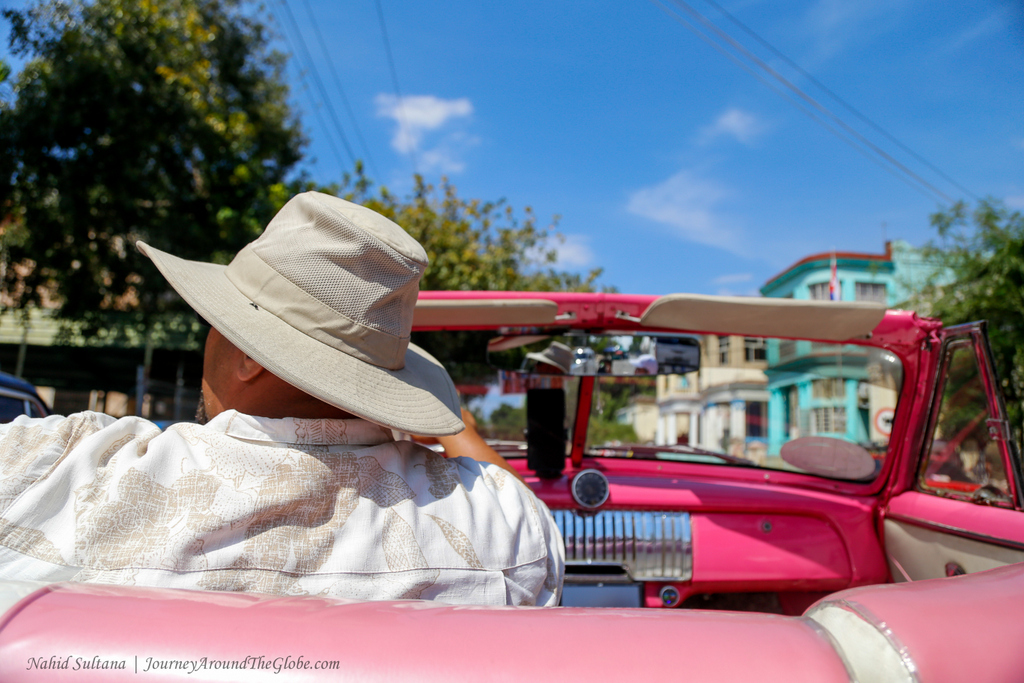
- Vintage Car Ride: Right after we passed the parliament, we saw a whole street full of vintage cars for tourists to rent. We specifically came to Centro Havana, near the Capitol, to rent a classic vintage car. The prices for the ride vary, depending mainly on the year, the model of the car, color of the car, length of the ride, and etc. We picked a bright pink classic Chevrolet 1953 convertible for an hour for $25…which was on the cheaper side.
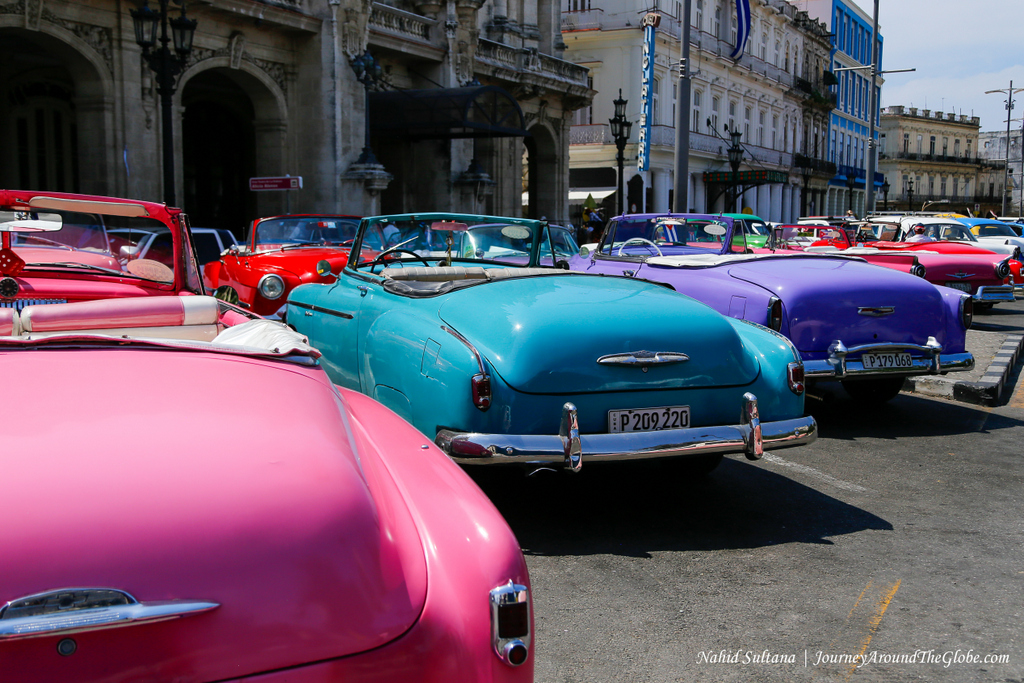
This is a great way to get out of the chaotic Old Havana and get a broader vibe of this town and people. The ride took us through Centro Havana, famous Hotel Nacional de Cuba, and other off-touristy parts of Havana.
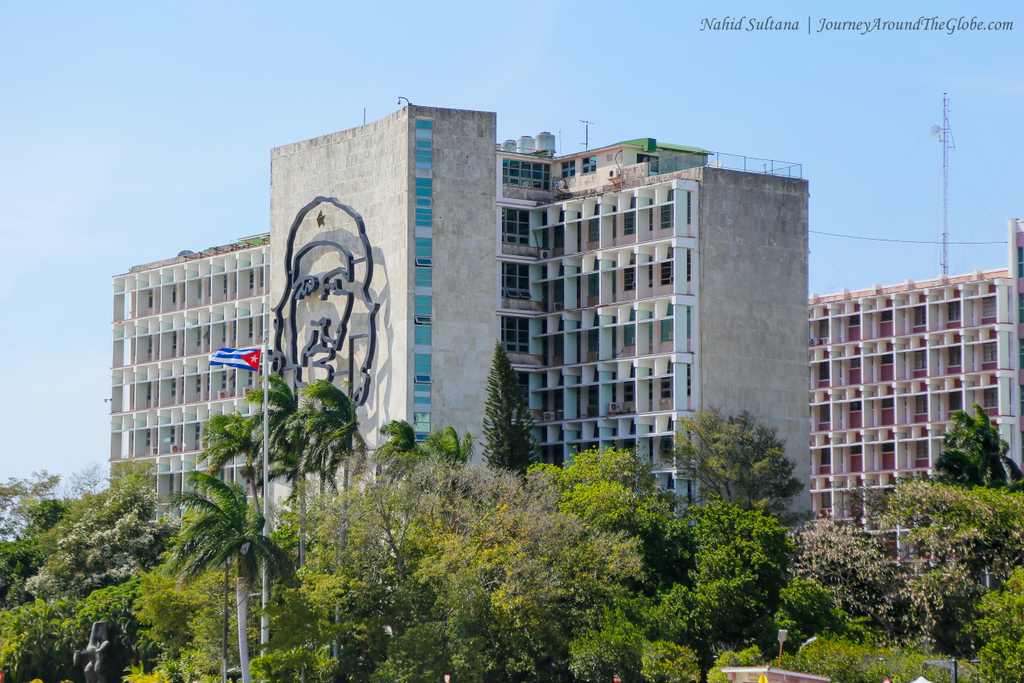
The only stop we made during our ride was at Revolution Square. It was about a 15-20 minutes drive from the old town. Revolution Square is supposedly one of the largest public squares in the world which played an important role during the Cuban Revolution. This public square, with a tall monument and museum on one side and Che’s sculpture on a wall across the street, is another popular site in Havana.
- Central Park: This is slightly opposite of the parliament and the Grand Theater, across the street. It was an open square/hangout area. This is a nice place with shades to relax and watch people passing by. The big white monument in the middle is of Jose Marti. El Floridita is in this vicinity if you want to sit down for a drink. This is also a great place to get a vintage car ride from. Walk around and enjoy the locals here…the atmosphere in the late afternoon was very energetic and lively.
- Cabaret Tropicana Show: We bought this online a couple weeks before our trip. It’s $75 per adult for the show (no kids are allowed) with a complimentary beverage and some peanuts. There are different packages for this show and a couple of them included dinner. The show started at around 10pm and lasted for a couple hours. They do recommend formal outfits for the show. It was about $40 one way from Old Havana and taxis are available at the gate after the show is over.
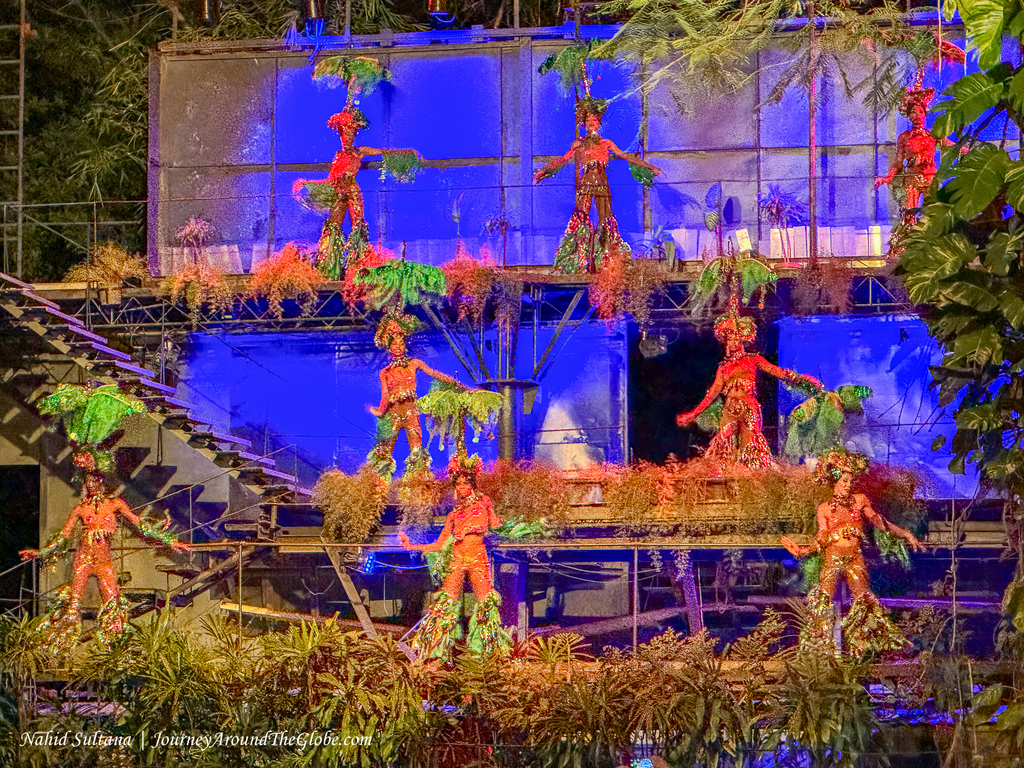
The show was full of music, dance, excitement, and enthusiasm. With a grand stage and stunning lighting, all the singers and dancers gave us a night to remember. I never went to a cabaret performance before and this truly was beyond what I expected.
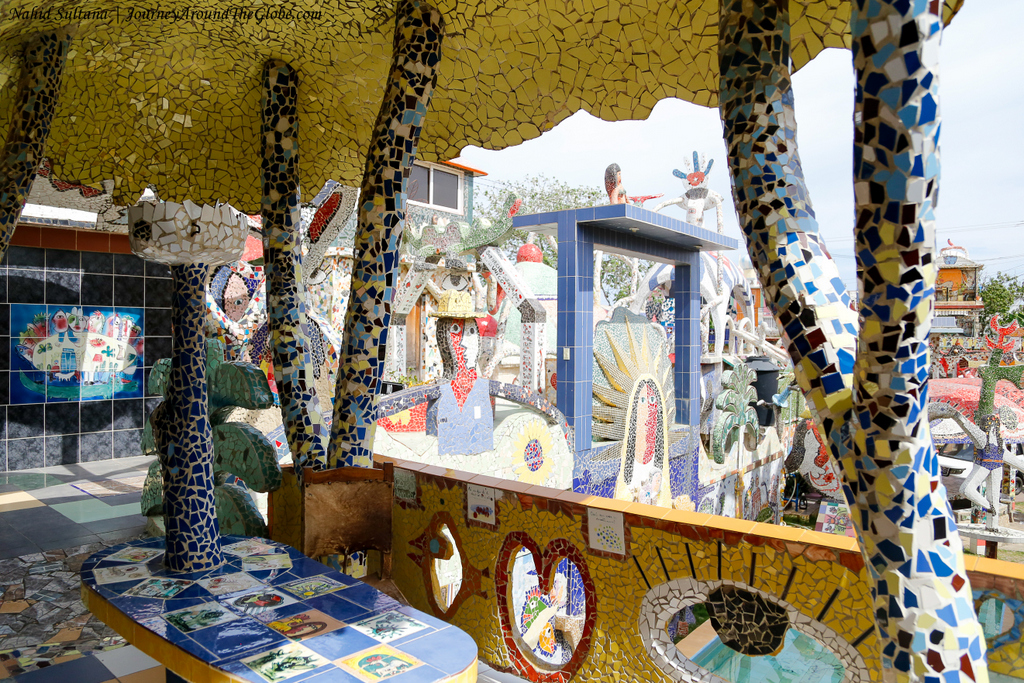
- Fusterlandia: This is a must-see museum in Havana. Only about a half an hour ride from Old Havana, this is a mesmerizing place to spend a couple hours enjoying the stunning mosaic arts by the local artist Jose Fuster. He initially started this project in 1975 in his house inspired by Gaudi from Barcelona and then started decorating his neighbors’ houses. Eventually the whole neighborhood became a giant art piece and an open museum. It’s a magical land inside this open building with a psychedelic set of sculptures and artwork. Enjoy the whimsical street mosaics before entering the park and shop at the local vendors.
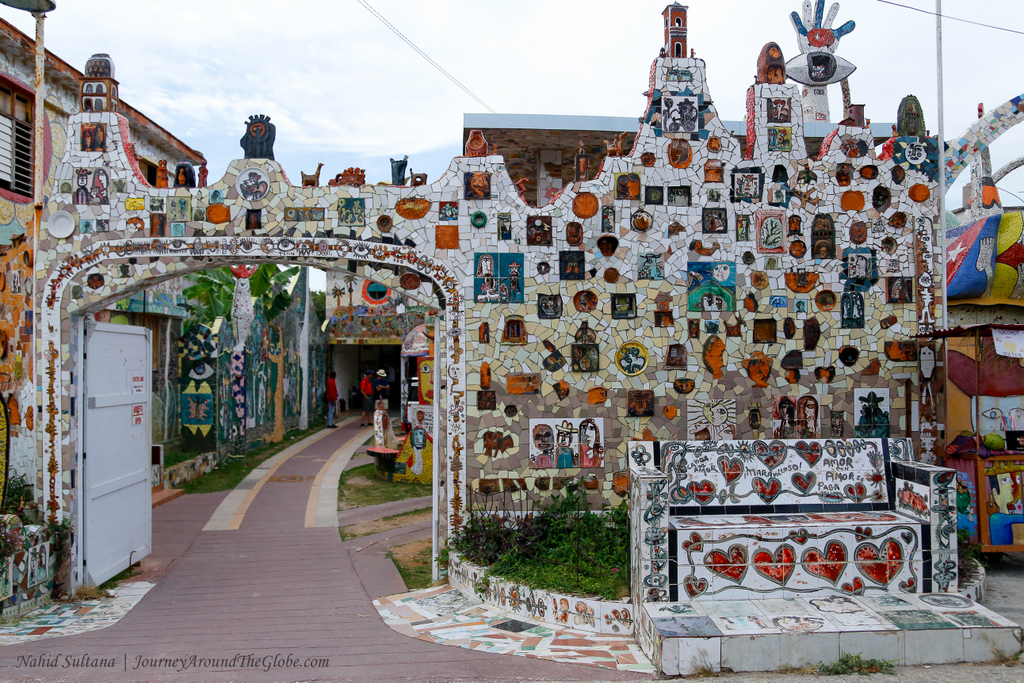
The park is open from 9:30am-4pm everyday. Tickets are only 100 CUP or $1 USD per person. There are some local souvenir shops right outside the museum.
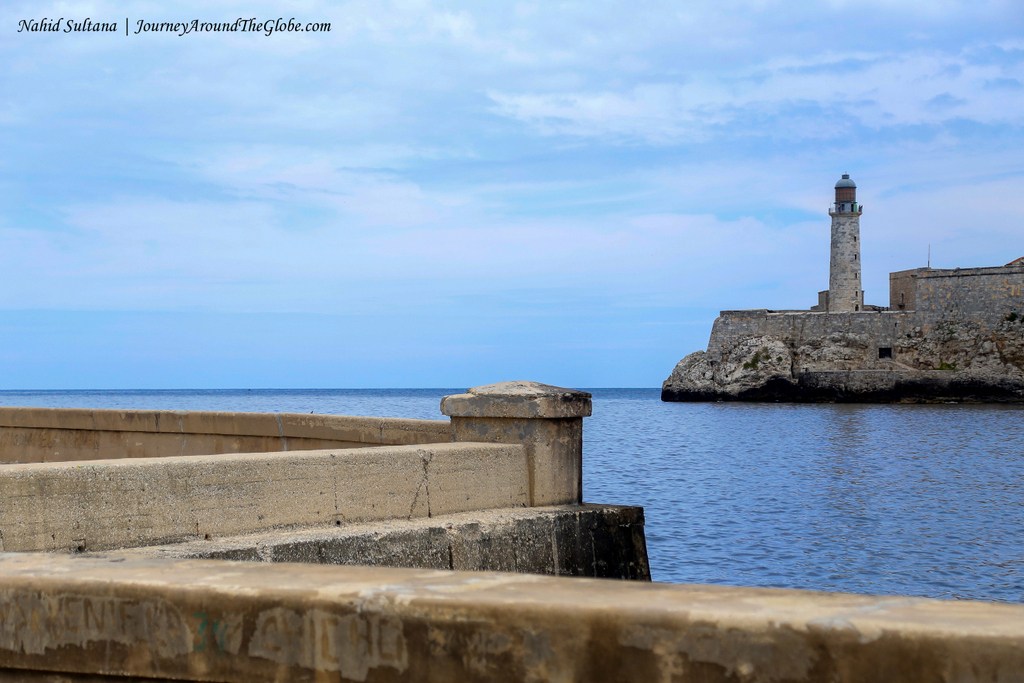
- El Malecon: After Fusterlandia, we were dropped off near Havana Harbor. The legendary El Malecon is about a 5-mile stretch of long and wide promenade with Havana Bay on one side and Old Havana on the other. Castillo de San Salvador de la Punta can be the starting point for this stroll. Without going to this castle, we started our walk on Malecon and strolled about an hour along the coast. We got to enjoy some arts and architecture, some conversation with the locals, and a peaceful walk with my sister. This is considered the hang-out spot for the locals, a romantic place for the lover, and a great place to catch a memorable sunset.
- Fabrica de Arte Cubano (Cuban Art Factory): This was one of the coolest art museums I’ve ever visited. We went there on our last night in Havana. We had dinner right beside the Art Factory and walked here as soon as they opened.
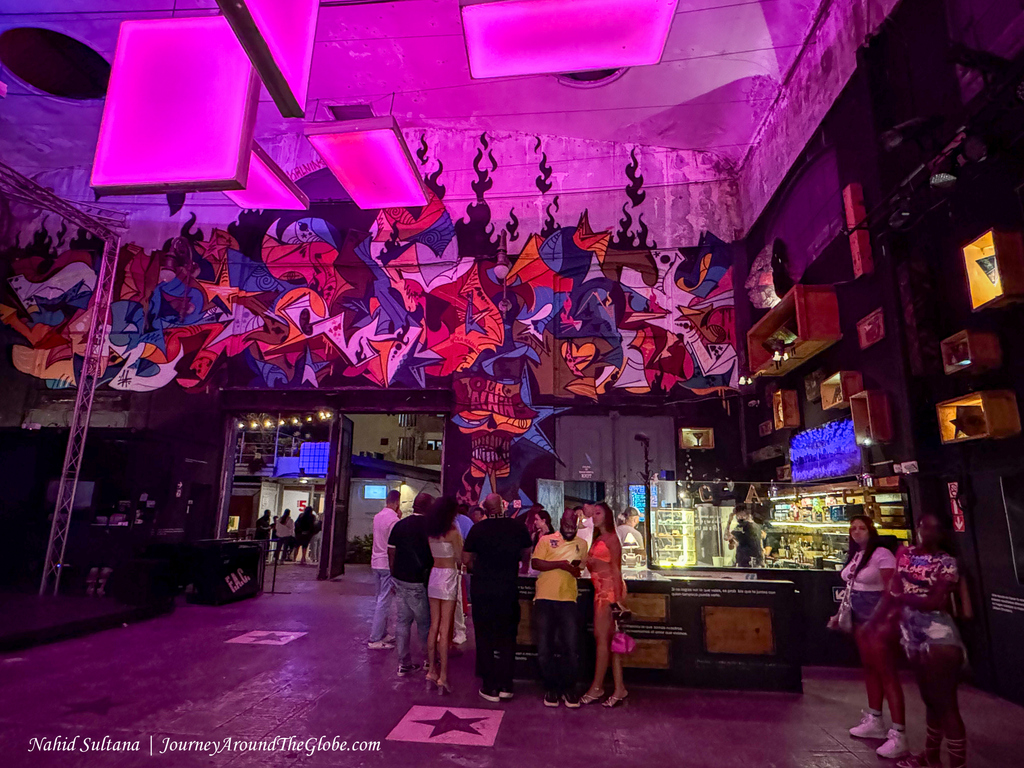
This is not only an art gallery, this gave us one of the best night experiences in Havana. It’s an art museum/club/bar/etc. This is a cultural visit no one should skip. There were photography exhibitions, artsy jewelries on displays, paintings, sculptures, and lots more. Creativity was everywhere in every room.
It’s an old oil factory which was repurposed and was made into this art galas/club. It was less than a half an hour taxi ride from Old Havana and the ticket was about $4 per adult.
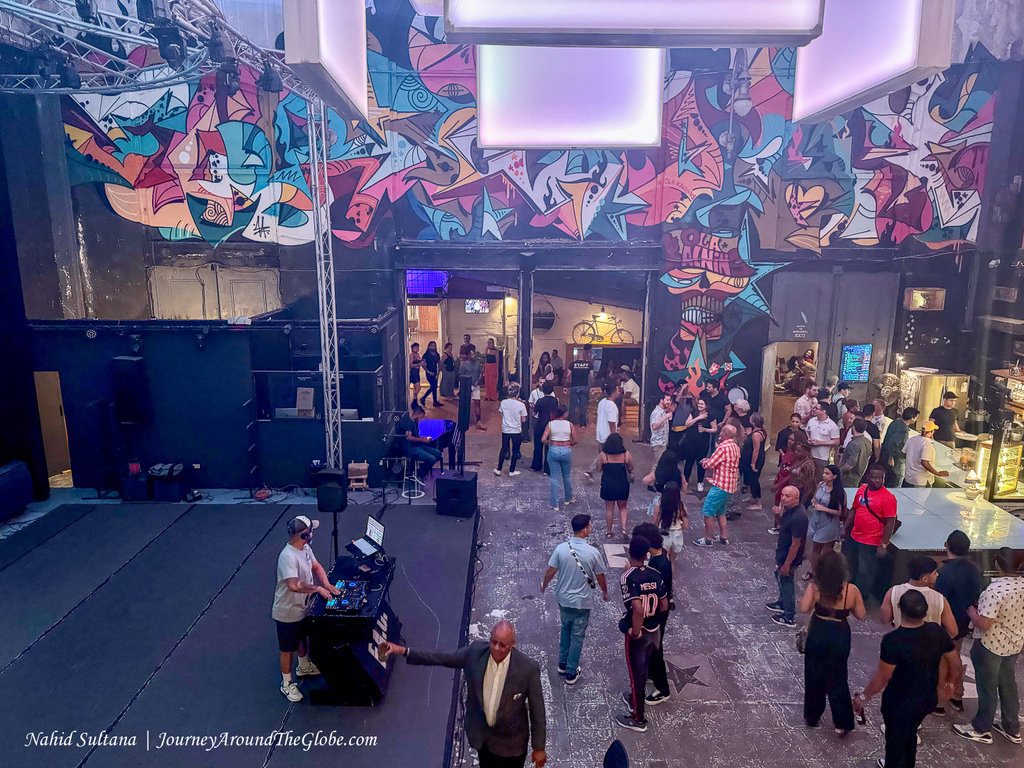
Other than the above spots, these are some places where we couldn’t make it but if you have time, be sure to stop for extended experience in Cuba. Playas del Este and Playa Marazul are beaches where you can go to spend half a day. We drove by Hotel Nacional de Cuba a few times but didn’t get a chance to go inside. But this is a very well known building where many historic events took place in the 1900s.
Now knowing how easy it was to visit Cuba, I’ve had 2 other adventurous travelers committed to check out this country. This would be somewhere I’d go again in the future. The city gave me some kind of calmness and serenity. The relaxing vibe of Old Havana is what stuck with me the most. I’m thankful to my sister for sparking up this conversation one day which we actually made it happen.
Share this:

Test Post for WordPress
This is a sample post created to test the basic formatting features of the WordPress CMS.
Subheading Level 2
You can use bold text, italic text, and combine both styles.
- Bullet list item #1
- Item with bold emphasis
- And a link: official WordPress site
- Step one
- Step two
- Step three
This content is only for demonstration purposes. Feel free to edit or delete it.
Share this:
Test Post for WordPress
This is a sample post created to test the basic formatting features of the WordPress CMS.
Subheading Level 2
You can use bold text, italic text, and combine both styles.
- Bullet list item #1
- Item with bold emphasis
- And a link: official WordPress site
- Step one
- Step two
- Step three
This content is only for demonstration purposes. Feel free to edit or delete it.
Share this:
Business Excellence Award 2020 from AI Global Media for The Most Entertaining Personal Travel Blog – Pacific Northwest USA

Top Posts & Pages


Authors
 Globe Runner
Business Excellence Award 2020 for The Most Entertaining Personal Travel Blog – Pacific Northwest USA

Business Excellence Award 2020 from AI Global Media

 Journey Around The Globe